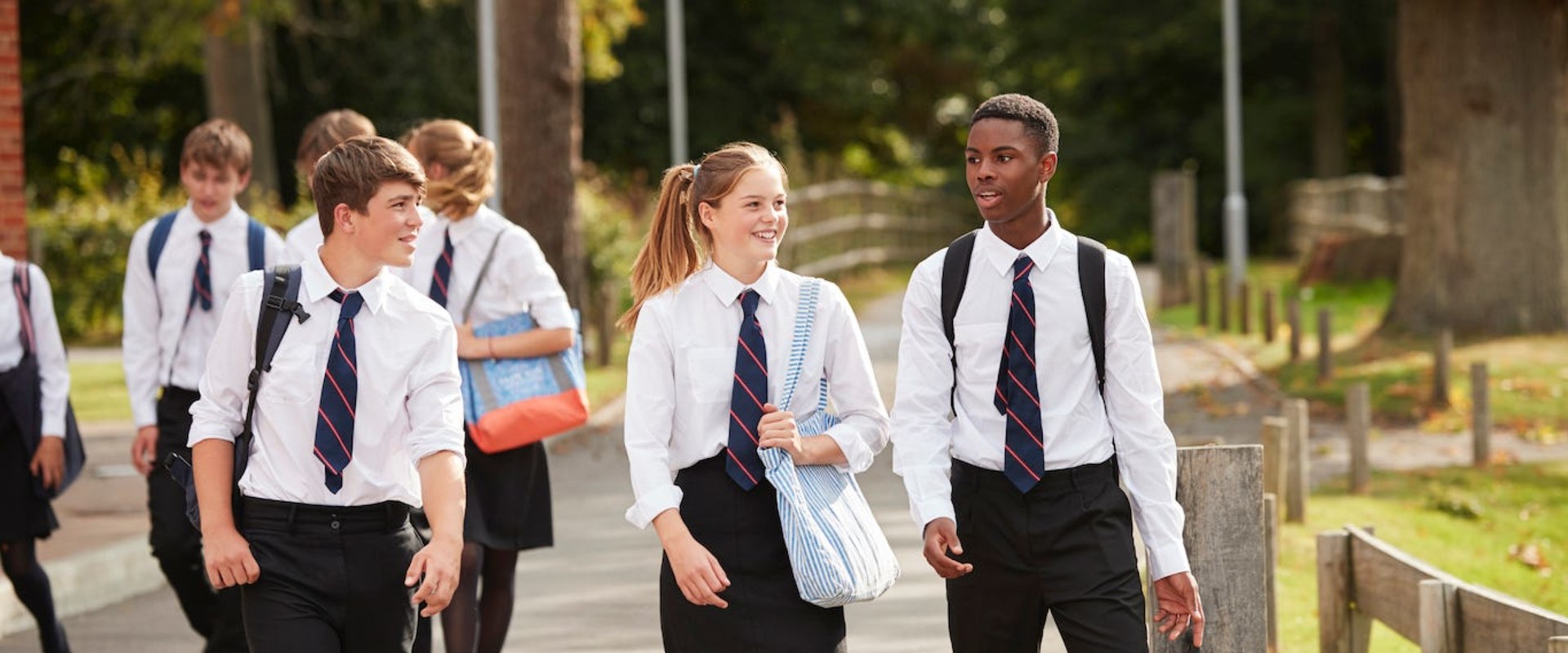
In the landscape of American education, private schools play a pivotal role, offering diverse options that cater to various educational philosophies and family needs. Unlike public schools, which are funded and operated by government entities, private schools are independently funded through tuition payments, donations, and endowments. This independence allows them to create unique curricula, foster specialized programs, and maintain smaller class sizes, which can lead to more personalized attention for students. As families increasingly seek alternatives to traditional public education, understanding the prevalence and distribution of private schools across the United States becomes essential.Statistics reveal that private schools serve a significant portion of the student population.
According to the National Center for Education Statistics (NCES), approximately 10% of all K-12 students in the U. S. are enrolled in private institutions. This figure underscores the importance of private education as a viable option for parents looking for tailored educational experiences for their children. According to the National Center for Education Statistics (NCES), approximately 10% of all K-12 students in the U. S. are enrolled in private institutions. This figure underscores the importance of private education as a viable option for parents looking for tailored educational experiences for their children.
The reasons behind choosing private schooling vary widely; some families prioritize religious education, while others seek advanced academic programs or specific extracurricular activities that may not be available in public schools.As we delve deeper into the topic of private schools, it is crucial to explore which states boast the highest number of these institutions. Factors such as population density, income levels, and cultural attitudes towards education significantly influence the prevalence of private schools in different regions. For instance, states with larger urban populations often have a higher concentration of private schools due to increased demand for diverse educational options. Additionally, understanding the demographics of private school enrollment can provide insights into broader trends in American education.This exploration will not only highlight the states with the most private schools but also examine how these institutions contribute to the overall educational ecosystem in the United States.
By analyzing private school statistics, we can gain a clearer picture of how these schools impact student outcomes and parental choices in education.
Understanding Private Schools: Definitions and Types
Private schools, often referred to as independent schools, are educational institutions that operate independently of the public school system. They are funded through tuition payments, donations, and endowments rather than government funding. This independence allows private schools to establish their own curricula, teaching methods, and admission criteria, which can vary significantly from one institution to another.Understanding the different types of private schools is essential for parents and students considering their educational options. Here are some of the primary categories:- Religious Schools: These institutions are affiliated with a particular faith and incorporate religious teachings into their curriculum.
Examples include Catholic schools, Jewish day schools, and Islamic schools. They often emphasize moral education alongside academic subjects.
- Independent Schools: Independent schools are non-religious institutions that operate autonomously. They typically have a strong focus on academic excellence and may offer specialized programs in arts, sciences, or humanities.
- Preparatory Schools: Often referred to as prep schools, these institutions prepare students for higher education. They usually have rigorous academic standards and may offer Advanced Placement (AP) courses or International Baccalaureate (IB) programs.
- Montessori Schools: Based on the educational philosophy developed by Dr.
Maria Montessori, these schools emphasize self-directed learning and hands-on activities. They cater to children from preschool through elementary grades.
- Specialty Schools: These schools focus on specific areas such as the arts, sciences, or athletics. They provide tailored programs designed to nurture students' talents and interests.
Additionally, private schools can foster smaller class sizes, which may lead to more personalized attention for students. This environment can be particularly beneficial for those who thrive in less crowded settings or require specialized support.In summary, private schools encompass a diverse range of institutions that cater to various educational needs and preferences. Understanding these categories helps families make informed decisions about their children's education and highlights the significant role private schools play in the broader educational landscape.
National Overview of Private School Enrollment
Understanding the landscape of private school enrollment in the United States requires a comprehensive look at national statistics and trends. According to the National Center for Education Statistics (NCES), private schools serve approximately 10% of all K-12 students in the country.This statistic highlights the significant role that private education plays in the overall educational ecosystem.Over the past few decades, private school enrollment has experienced fluctuations influenced by various factors, including economic conditions, demographic shifts, and changes in public education policies. For instance, during economic downturns, families may opt for public schooling due to financial constraints, leading to a decline in private school enrollment. Conversely, in times of economic prosperity, there tends to be an uptick in private school attendance as families seek alternatives to public education.In terms of demographics, private schools attract a diverse range of students. The NCES reports that about 25% of private school students are from minority backgrounds, which is a significant increase from previous decades.
This shift reflects broader societal changes and an increasing recognition of the importance of diversity within educational settings.When comparing private school enrollment to public schools, it is essential to consider regional variations. For example, states like California and Texas have large populations of private school students due to their extensive networks of religious and independent schools. In contrast, states with fewer private institutions may see lower enrollment numbers. Additionally, urban areas often have higher concentrations of private schools compared to rural regions.The types of private schools also vary widely across the nation.
They can be categorized into several types, including:
- Religious Schools: These institutions are affiliated with a particular faith and often incorporate religious teachings into their curriculum.
- Independent Schools: These schools operate independently of any religious affiliation and typically emphasize academic excellence and holistic development.
- Montessori and Alternative Schools: These schools focus on unique educational philosophies that prioritize student-led learning and creativity.
State-by-State Analysis: Which States Have the Most Private Schools?
When examining the landscape of private education in the United States, certain states stand out due to their high concentration of private schools. Understanding which states have the most private schools can provide insights into educational choices available to families and the factors influencing these choices.According to recent data, California leads the nation with the highest number of private schools, boasting over 3,000 institutions. This significant figure can be attributed to the state's large population and diverse demographics, which create a demand for various educational options.The presence of numerous affluent communities also contributes to the proliferation of private schools, as families often seek tailored educational experiences for their children.
Texas
follows closely behind, with approximately 2,000 private schools. The Lone Star State's vast size and population density in urban areas like Houston and Dallas foster a competitive educational environment. Many private institutions in Texas offer specialized programs that cater to specific religious or pedagogical philosophies, attracting families looking for alternatives to public schooling.
Florida
ranks third, with around 1,600 private schools. The state's warm climate and retirement communities have led to a unique demographic mix that influences educational preferences.
Additionally, Florida's school choice programs have made it easier for families to access private education, further increasing enrollment in these institutions.Other notable states include New York , with about 1,500 private schools, and Pennsylvania , which has around 1,200. In New York, the concentration of elite private schools is particularly high in urban areas like Manhattan, where families often prioritize prestigious educational backgrounds. Pennsylvania's rich history of religious and independent schooling contributes to its robust private school system.The distribution of private schools across these states is influenced by several factors:
- Population Size: States with larger populations tend to have more private schools due to increased demand.
- Affluence: Wealthier areas often support a higher number of private institutions as families seek specialized education.
- School Choice Policies: States that promote school choice through vouchers or tax credits tend to see higher enrollment in private schools.
- Cultural Factors: Regions with strong religious affiliations may have more faith-based private schools catering to specific communities.
Factors Influencing Private School Enrollment by State
Understanding the factors that influence private school enrollment across different states is crucial for grasping the landscape of education in the United States.Several elements contribute to the varying numbers of private schools, including demographics, economic conditions, cultural influences, and educational policies.
Demographics
play a significant role in private school enrollment. States with larger populations of families seeking alternative education options often see a higher concentration of private schools. For instance, areas with a high percentage of college-educated parents tend to prioritize educational choices, leading to increased demand for private institutions. Additionally, regions with diverse populations may have a variety of private schools catering to specific cultural or religious communities, further boosting enrollment numbers.
Economic conditions
also heavily influence the prevalence of private schools.
In states where the economy is robust and disposable income is higher, families are more likely to invest in private education. This is particularly evident in affluent suburbs where parents may seek smaller class sizes and specialized curricula that private schools often provide. Conversely, in economically challenged areas, families may rely more on public schooling due to financial constraints.Cultural influences cannot be overlooked when examining private school enrollment. In some states, there is a strong tradition of religious education, which drives the establishment and attendance of faith-based private schools.
For example, states with large Catholic populations often have numerous Catholic schools that attract students from both religious and non-religious backgrounds. This cultural inclination towards private schooling can significantly impact overall enrollment figures.Finally, educational policies at both state and local levels can either encourage or hinder the growth of private schools. States that offer tax credits or vouchers for families choosing private education tend to see higher enrollment numbers as these financial incentives make private schooling more accessible. Additionally, policies that allow for greater flexibility in curriculum design can attract families looking for alternatives to traditional public education.In summary, the interplay of demographics, economic conditions, cultural influences, and educational policies creates a complex environment that shapes the landscape of private school enrollment across different states.
Understanding these factors provides valuable insights into why certain states have a higher number of private schools than others.
Comparative Analysis: Private vs. Public Schools in High Enrollment States
In states with a high prevalence of private schools, the comparison between private and public schools reveals significant differences in various aspects, including educational outcomes, funding mechanisms, and student demographics. Understanding these differences is crucial for parents and policymakers alike.Educational Outcomes
Research indicates that students attending private schools often achieve higher standardized test scores compared to their public school counterparts. This trend can be attributed to several factors:
- Smaller Class Sizes: Private schools typically maintain lower student-to-teacher ratios, allowing for more individualized attention and tailored instruction.
- Curriculum Flexibility: Many private institutions have the freedom to design their own curricula, which can lead to innovative teaching methods and specialized programs that cater to diverse learning styles.
- Parental Involvement: Families who choose private education often exhibit higher levels of engagement in their children's education, which can positively influence student performance.
Public schools are required to accept all students within their district, including those with special needs or from disadvantaged backgrounds.
Funding Differences
The funding structures for private and public schools differ significantly. Public schools are primarily funded through state and local taxes, which can lead to disparities in resources based on geographic location. In contrast, private schools rely on tuition payments, donations, and endowments. This financial model allows private institutions to allocate resources differently:
- Facilities and Resources: Private schools often have access to better facilities and extracurricular programs due to their funding sources.
- Teacher Salaries: While public school teachers are typically paid according to a standardized salary schedule, private school salaries can vary widely based on the school's financial health.
Student Demographics
The demographic makeup of students in private versus public schools also varies significantly.
Private schools tend to attract families with higher socioeconomic status, which can influence the overall educational experience. This demographic difference may lead to:
- Diverse Educational Opportunities: Private institutions may offer specialized programs that cater to specific interests or talents, such as arts or sciences.
- Social Networks: Students in private schools often benefit from networking opportunities that can enhance their future academic and career prospects.
Challenges Faced by Private Schools Today
Private schools are currently navigating a complex landscape filled with various challenges that threaten their stability and growth. Understanding these issues is crucial for stakeholders in the education sector, including parents, educators, and policymakers.One of the most significant challenges faced by private schools today is the increased competition from charter schools and public districts. Charter schools, which are publicly funded but operate independently of the traditional public school system, have gained popularity in recent years.They often offer innovative curricula and flexible teaching methods that appeal to many families. This competition can lead to a decline in enrollment for private institutions, as parents may opt for these alternatives that provide similar educational benefits without the associated tuition costs.Moreover, traditional public schools are also evolving to attract students. Many districts have implemented Schools of Choice programs, allowing families to enroll their children in schools outside their designated districts. This initiative has made it easier for parents to select schools based on quality rather than geographic location, further intensifying the competition faced by private schools.Another pressing issue is the declining birth rate across the United States.
With fewer children being born, there is a smaller pool of school-age children available for both public and private education. This demographic shift has led to decreased enrollment numbers in many private institutions, forcing them to rethink their strategies for attracting and retaining students.Additionally, private schools often grapple with financial sustainability. Many rely heavily on tuition fees and donations to operate, making them vulnerable during economic downturns. Families facing financial hardships may withdraw their children from private education in favor of free public schooling options, further straining these institutions.Finally, the rise of online education platforms has introduced another layer of competition.
With the advent of technology, many families are exploring virtual schooling options that offer flexibility and convenience. This trend poses a challenge for private schools to adapt and integrate technology into their curricula effectively.In summary, private schools are confronted with a myriad of challenges ranging from competition with charter schools and public districts to demographic shifts and financial pressures. Addressing these issues will be essential for the future viability of private education in an increasingly competitive landscape.
Future Trends in Private School Enrollment
As we look toward the future of private school enrollment, several key trends and societal shifts are likely to shape the landscape of education in the coming years. Understanding these trends is essential for parents, educators, and policymakers who are invested in the evolution of private schooling.1.Increasing Demand for Personalized Education
One of the most significant trends influencing private school enrollment is the growing demand for personalized education.
Parents are increasingly seeking educational environments that cater to their children's individual learning styles and needs. Private schools often have the flexibility to offer tailored curricula, smaller class sizes, and specialized programs that can better accommodate diverse learners.
2.The Rise of Online and Hybrid Learning Models
The COVID-19 pandemic accelerated the adoption of online learning, prompting many private schools to integrate technology into their teaching methods. As families become more accustomed to digital education, we may see a rise in hybrid models that combine traditional classroom experiences with online learning opportunities. This shift could attract families looking for innovative educational solutions.
3.Economic Factors and Affordability
Economic conditions will continue to play a crucial role in private school enrollment.
While some families may prioritize private education despite financial constraints, others may be deterred by rising tuition costs. Schools that can demonstrate value through scholarships, financial aid programs, or unique offerings will likely see increased interest from prospective students.
4.Competition from Charter Schools
The competition between private schools and charter schools is expected to intensify as both sectors strive to attract students. Charter schools often provide free education with innovative curricula, which can appeal to families seeking alternatives to traditional public schooling. Private schools may need to differentiate themselves by emphasizing their unique educational philosophies, extracurricular activities, and community involvement.
5.Demographic Changes
Demographic shifts will also impact private school enrollment trends.
As communities become more diverse, private schools that embrace inclusivity and cultural competency may find themselves better positioned to attract a broader range of students. Schools that actively promote diversity and inclusion will likely resonate with families seeking an environment that reflects their values.
6.Focus on Social-Emotional Learning
In recent years, there has been a growing recognition of the importance of social-emotional learning (SEL) in education. Private schools that prioritize SEL initiatives may appeal to parents who value holistic development alongside academic achievement. By fostering emotional intelligence and resilience in students, these institutions can create a supportive environment conducive to learning.In conclusion, the future of private school enrollment is poised for transformation driven by various factors including personalized education demands, technological advancements, economic considerations, competition from charter schools, demographic changes, and an emphasis on social-emotional learning.
As these trends unfold, private schools will need to adapt and innovate to meet the evolving needs of families and students.
Frequently Asked Questions About Private Schools
When considering private schools, many parents and guardians have questions that reflect common concerns and misconceptions. This section aims to clarify these queries, providing a deeper understanding of what private education entails.What is the difference between private and public schools?
The primary distinction lies in funding and governance.Private schools
are funded through tuition payments, donations, and endowments, while public schools receive funding from state and local taxes. This difference often leads to variations in curriculum, class sizes, and educational approaches.Are private schools only for wealthy families?
This is a prevalent misconception.While some private schools do have high tuition fees, many offer financial aid and scholarships to make education accessible to a broader range of families. Additionally, there are various types of private schools, including religious institutions and independent schools, which may have different pricing structures.
Do private schools provide a better education?
The quality of education can vary significantly among both private and public institutions. Some studies suggest that private school students may perform better academically due to smaller class sizes and more individualized attention. However, it’s essential to evaluate each school on its own merits rather than generalizing based on the type of institution.What types of private schools are available?
- Religious Schools: These institutions integrate faith-based teachings with standard curricula.
- Montessori Schools: Focus on child-led learning and hands-on experiences.
- Specialty Schools: Cater to specific interests or needs, such as arts or sciences.
- Independent Schools: Operate independently of any religious affiliation or school district.
How do I choose the right private school for my child?
Selecting the right private school involves several factors:- Curriculum: Research the academic programs offered and ensure they align with your child's learning style.
- Cultural Fit: Visit the school to gauge its environment and values.
- Location: Consider the school's proximity to your home for convenience.
- Tours and Interviews: Attend open houses or schedule interviews with faculty to ask questions directly.
Conclusion: Key Takeaways on Private School Enrollment by State
In summary, the landscape of private school enrollment across the United States reveals significant variations by state, influenced by a multitude of factors including demographics, economic conditions, and educational policies.Understanding which states have the most private schools can provide valuable insights for parents, educators, and policymakers alike.
Key Insights:
- State Variability: States like California, Texas, and Florida lead in the number of private schools, reflecting their larger populations and diverse educational needs. These states offer a wide range of private educational options, catering to various cultural and socioeconomic backgrounds.
- Enrollment Trends: The enrollment rates in private schools can be significantly affected by local economic conditions. For instance, areas with higher median incomes often see increased enrollment in private institutions as families seek specialized educational opportunities.
- Impact of Charter Schools: The rise of charter schools has introduced new competition for private schools, particularly in urban areas. This competition can influence enrollment numbers as families weigh their options between traditional private education and publicly funded charter alternatives.
- Demographic Factors: States with larger populations of affluent families or specific religious communities tend to have higher concentrations of private schools.
For example, states with significant Catholic populations often see a robust presence of Catholic schools.
- Future Projections: As birth rates continue to decline in many regions, the overall number of school-age children is expected to decrease. This trend may lead to challenges for both public and private schools in maintaining enrollment levels.