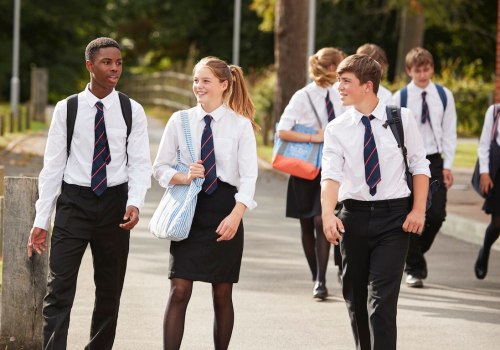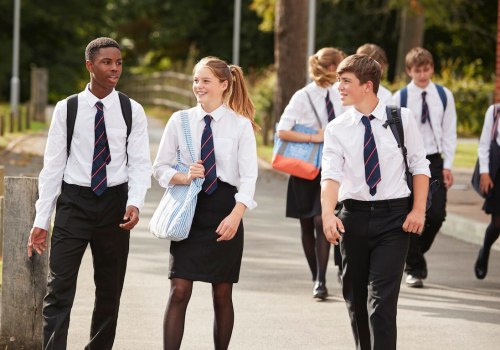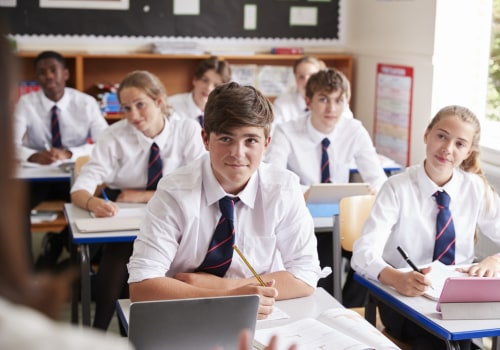
Private school education has long been a topic of discussion among parents, educators, and policymakers. As an alternative to public schooling, private schools offer a unique approach to education that can cater to diverse learning styles and philosophies. But what exactly is a private school ? In essence, private schools are educational institutions that operate independently of the public school system. They are funded through tuition fees, donations, and private grants rather than government funding.
This independence allows them to create their own curricula, set their own standards, and often maintain smaller class sizes.The significance of private school education in the broader educational landscape cannot be overstated. Many parents are drawn to private schools due to the perception that they provide a superior educational experience. This belief is often fueled by the notion that private schools have more resources, better facilities, and a more rigorous academic environment. Additionally, private schools frequently emphasize character development and moral education, which can be appealing to families seeking a holistic approach to their child's growth.However, while there are certainly benefits associated with private school education , it is essential to approach this topic with a critical eye.
The advantages of attending a private school can vary significantly from one institution to another. Factors such as teacher qualifications, extracurricular offerings, and community involvement play crucial roles in shaping the educational experience. Furthermore, the financial implications of private schooling can be daunting for many families, raising questions about accessibility and equity in education.As we delve deeper into the myths surrounding private school education, it is vital to consider both the potential benefits and the limitations. Understanding what private schools offer—and how they compare to public schools—will empower parents to make informed decisions about their child's education. The advantages of attending a private school can vary significantly from one institution to another. Factors such as teacher qualifications, extracurricular offerings, and community involvement play crucial roles in shaping the educational experience. Furthermore, the financial implications of private schooling can be daunting for many families, raising questions about accessibility and equity in education.As we delve deeper into the myths surrounding private school education, it is vital to consider both the potential benefits and the limitations. Understanding what private schools offer—and how they compare to public schools—will empower parents to make informed decisions about their child's education.
By examining these factors closely, we can begin to unravel the complexities of private schooling and its place in today's educational system.
Myth 1: Private Schools Guarantee Better Academic Performance
One of the most pervasive myths surrounding private schools is the belief that they automatically ensure superior academic performance for their students. This assumption often leads parents to think that enrolling their child in a private institution will guarantee higher test scores, better graduation rates, and ultimately, greater success in higher education and beyond. However, a closer examination of the data reveals a more nuanced reality.Numerous studies have attempted to compare the academic outcomes of students in private schools versus those in public schools. While some private institutions do boast impressive statistics, these figures can be misleading when viewed in isolation.For instance, a study conducted by the National Center for Education Statistics (NCES) found that while private school students often perform well on standardized tests, the differences in scores are not as significant as many believe. In fact, when controlling for factors such as socioeconomic status and parental education levels, the gap in academic performance between public and private school students narrows considerably.Moreover, graduation rates are another area where the myth of private school superiority is challenged. According to research from the National Center for Education Statistics, public high schools have shown comparable graduation rates to those of private institutions. In some cases, public schools even outperform their private counterparts when considering diverse student populations and varying educational needs.It is also essential to recognize that academic success is not solely determined by the type of school a student attends.
Factors such as parental involvement, community support, and individual student motivation play critical roles in shaping educational outcomes. A child who thrives in a supportive public school environment may achieve just as much—if not more—than a peer attending a prestigious private institution.Furthermore, many public schools have implemented innovative programs and curricula designed to enhance student learning and engagement. These initiatives often include advanced placement courses, specialized STEM programs, and extracurricular activities that foster personal growth and academic achievement.In conclusion, while private schools can offer unique advantages such as smaller class sizes and specialized curricula, they do not inherently guarantee better academic performance. Parents should critically evaluate their options based on their child's specific needs rather than relying on generalized assumptions about the superiority of private education.
Myth 2: Smaller Class Sizes Always Lead to Better Education
One of the most prevalent beliefs surrounding private school education is that smaller class sizes inherently lead to a superior educational experience.While it is true that many private schools boast lower student-to-teacher ratios, the relationship between class size and educational quality is far more complex than this assumption suggests.Research has shown that while smaller class sizes can provide certain advantages, such as increased individual attention from teachers, they do not automatically guarantee better academic outcomes. A study conducted by the National Center for Education Statistics found that the impact of class size on student achievement varies significantly depending on other factors, including teaching quality, curriculum, and student engagement.In fact, some public schools have successfully implemented effective teaching strategies and programs that compensate for larger class sizes. For instance, schools that utilize team teaching or co-teaching models can create a more personalized learning environment even with a higher number of students in the classroom. This indicates that the effectiveness of teaching methods can often outweigh the benefits of smaller class sizes.Moreover, the context in which education occurs plays a crucial role.
Factors such as school resources, parental involvement, and community support can significantly influence student success. A well-resourced public school with larger classes may provide a more enriching educational experience than a private school with smaller classes but fewer resources.It’s also essential to consider the diversity of student populations in both public and private schools. Public schools often serve a broader demographic, including students from various socioeconomic backgrounds and those with special needs. This diversity can enrich the learning environment and foster social skills that are vital for success beyond the classroom.Ultimately, while smaller class sizes in private schools may offer certain benefits, they should not be viewed as a definitive measure of educational quality.
Parents should look beyond class size when evaluating schools and consider other critical factors such as teacher qualifications, curriculum offerings, and overall school culture. Making an informed decision requires a comprehensive understanding of what truly contributes to effective learning environments.
Myth 3: Private Schools Are More Inclusive and Supportive of Diverse Needs
One prevalent myth surrounding private schools is the belief that they are inherently more inclusive and better equipped to support students with diverse learning needs. While it is true that some private institutions offer specialized programs, this does not universally apply to all private schools. In fact, many public schools are legally mandated to provide comprehensive support for students with special needs, which can often lead to a more inclusive environment.Public schools are required by law under the Individuals with Disabilities Education Act (IDEA) to accommodate students with disabilities.This includes developing Individualized Education Programs (IEPs) tailored to each student's unique requirements. These IEPs ensure that students receive the necessary resources, such as specialized instruction, therapy services, and assistive technology. In contrast, private schools are not bound by the same legal obligations, which can result in varying levels of support for students with special needs.Moreover, public schools often have access to a wider range of resources and specialists dedicated to supporting diverse learners. For instance, many public school districts employ special education teachers, speech therapists, and counselors who are trained to address various learning challenges.
This comprehensive support system is designed to foster an inclusive atmosphere where all students can thrive.On the other hand, while some private schools may offer exceptional programs for students with specific needs, others may lack the necessary resources or expertise. This inconsistency can leave families uncertain about whether their child will receive adequate support. Additionally, the cost of private education can be a barrier for many families seeking specialized services, further limiting access to quality education for students with diverse needs.Furthermore, the notion of diversity in private schools often comes under scrutiny. Many private institutions have selective admissions processes that can inadvertently limit their student body’s diversity.
This contrasts sharply with public schools, which serve all students within their district regardless of background or ability. As a result, public schools tend to reflect a broader spectrum of cultural and socioeconomic diversity.In conclusion, while some private schools may excel in inclusivity and support for diverse learning needs, it is essential for parents to thoroughly research individual institutions. Understanding the specific resources available at both public and private schools will empower families to make informed decisions that best suit their child's educational requirements.
Myth 4: Private School Students Have Better College Admission Rates
One of the most pervasive myths surrounding private school education is the belief that students from these institutions enjoy significantly higher college admission rates compared to their public school counterparts. While it is true that many private schools boast impressive college acceptance statistics, the reality is far more nuanced and complex than this myth suggests.Research indicates that college admission rates are influenced by a multitude of factors beyond just the type of school a student attends.These factors include:
- Academic Performance: A student's GPA, standardized test scores (such as the SAT or ACT), and overall academic rigor play a crucial role in college admissions. Students from both private and public schools can excel academically, and many public schools offer Advanced Placement (AP) or International Baccalaureate (IB) programs that prepare students for college-level coursework.
- Extracurricular Involvement: Colleges often look for well-rounded applicants who demonstrate leadership, commitment, and passion through extracurricular activities. Both private and public school students have opportunities to engage in sports, clubs, and community service, which can enhance their college applications.
- Personal Statements and Recommendations: The quality of a student's personal statement and letters of recommendation can significantly impact their chances of admission. These elements provide insight into a student's character, interests, and potential contributions to a college community.
- Socioeconomic Factors: Students from affluent backgrounds may have access to resources such as tutoring, test preparation courses, and college counseling services that can improve their chances of admission, regardless of whether they attend a private or public school.
This means they consider various factors beyond academic performance, including socioeconomic background, geographic location, and unique life experiences. As a result, students from public schools may bring valuable perspectives that are equally appealing to admissions committees.In fact, some studies have shown that students from public schools often perform just as well in college as their private school peers once they are admitted. This suggests that the type of high school attended may not be as critical to long-term success in higher education as previously thought.Ultimately, while attending a private school may provide certain advantages—such as smaller class sizes or specialized programs—these benefits do not guarantee better college admission rates. Parents should focus on fostering their child's individual strengths and interests rather than relying solely on the perceived prestige of private education when considering their future academic paths.
The Financial Implications of Private School Education
When considering private school education, one of the most significant factors that families must evaluate is the financial implications.The cost of private schooling can vary widely, depending on the institution, location, and the specific programs offered. On average, tuition for private schools in the United States can range from $5,000 to over $50,000 per year. This substantial financial commitment raises important questions about affordability and the long-term impact on a family’s finances.Many parents may find themselves wondering how they can manage these costs. It’s essential to understand that while private schools often come with a hefty price tag, there are various financial aid options available to help alleviate some of the burden.
Many private institutions offer scholarships based on merit or need, which can significantly reduce tuition costs. Additionally, some schools have sliding scale tuition models that adjust fees based on a family’s income.Moreover, families should explore state and federal financial aid programs that may be applicable to private school education. For instance, some states provide tax credits or vouchers that can be used towards private school tuition. These programs aim to make private education more accessible to a broader range of families.It’s also worth noting that the financial implications of private schooling extend beyond just tuition.
Families should consider additional costs such as uniforms, textbooks, extracurricular activities, and transportation. These expenses can add up quickly and should be factored into the overall budget when evaluating the affordability of private education.Ultimately, while the cost of private school can be daunting, it’s crucial for families to conduct thorough research and explore all available resources. By understanding the full scope of financial options and planning accordingly, parents can make informed decisions that align with their educational goals for their children.
Evaluating Educational Quality: What Parents Should Consider
When it comes to choosing the right educational environment for your child, understanding how to evaluate the quality of both public and private schools is crucial. Parents should consider a variety of factors that contribute to a school's overall effectiveness and its ability to meet their child's unique needs.1.Teacher Qualifications
- Investigate the educational background and certifications of the teaching staff.
Highly qualified teachers often have advanced degrees and specialized training in their subject areas.
- Look for ongoing professional development opportunities that teachers participate in, as this can indicate a commitment to staying current with educational best practices.
- Consider the teacher-to-student ratio, as smaller class sizes can lead to more personalized attention and support for each student.
2.Curriculum Offerings
- Examine the curriculum to ensure it aligns with your educational goals for your child. Some private schools may offer specialized programs such as International Baccalaureate (IB) or Advanced Placement (AP) courses.
- Assess whether the school provides a well-rounded education that includes not only core subjects but also arts, music, and physical education.
- Inquire about the integration of technology in the classroom, as this can enhance learning experiences and prepare students for a digital world.
3.Extracurricular Activities
- Evaluate the range of extracurricular activities available, including sports, clubs, and community service opportunities. These programs can play a significant role in your child's social development and personal interests.
- Consider whether the school encourages participation in these activities, as engagement outside of academics can foster teamwork and leadership skills.
4.School Environment
- Visit the school to get a feel for its atmosphere. A positive school culture that promotes respect, inclusivity, and safety is essential for effective learning.
- Talk to current students and parents about their experiences to gain insight into the school's community and support systems.
By taking the time to research and reflect on these factors, parents can make informed decisions that align with their child's needs and aspirations.
Frequently Asked Questions About Private Schools
When considering private school education, parents often have numerous questions and concerns. Addressing these frequently asked questions can help demystify the private school experience and provide clarity on what to expect.What are the main differences between public and private schools?
The primary distinction lies in funding and governance.Private schools
are funded through tuition fees, donations, and private grants, allowing them more flexibility in curriculum design and teaching methods. In contrast, public schools are funded by taxpayer dollars and must adhere to state educational standards.This difference can lead to variations in class sizes, resources, and extracurricular offerings.
Are private schools always better academically?
While many believe that private schools guarantee superior academic performance, research indicates that this is not universally true. Academic success can depend on various factors, including the individual student’s motivation, the quality of teaching, and the specific programs offered. Some public schools excel in academic achievement due to dedicated staff and robust support systems.Do private schools offer more individualized attention?
Many private schools boast smaller class sizes, which can facilitate more personalized instruction. However, this is not a given across all private institutions.Parents should investigate specific schools to understand their student-to-teacher ratios and how they cater to individual learning needs.
What about diversity in private schools?
A common misconception is that private schools lack diversity. While some may have limited demographic representation due to their tuition costs, many private institutions actively seek to create diverse environments through scholarships and outreach programs. It’s essential for parents to research a school’s commitment to inclusivity.How do I choose the right private school for my child?
Selecting the right private school involves assessing your child’s unique needs and interests. Consider factors such as:- Curriculum: Does it align with your child’s learning style?
- Extracurricular activities: Are there programs that interest your child?
- School culture: Does it foster an environment where your child can thrive?
- Location: Is it conveniently located for your family?
Conclusion: Making an Informed Decision About Your Child's Education
As we conclude our exploration of private school education, it is essential to reflect on the key insights that have emerged throughout this discussion.The decision regarding your child's education is one of the most significant choices you will make as a parent, and it should be approached with careful consideration and an open mind.First and foremost, it is crucial to recognize that private schools are not inherently superior to public schools. While they may offer certain advantages, such as smaller class sizes or specialized programs, these factors do not guarantee better academic outcomes for every student. The recent studies indicate that the differences in academic performance between public and private school students are often negligible when accounting for various influencing factors.Moreover, the unique needs of your child should be at the forefront of your decision-making process. Each child has distinct learning styles, interests, and challenges that may be better supported in one educational environment over another.
Public schools are mandated to accommodate all students, including those with special needs, which can provide essential resources that some private institutions may lack.Additionally, the financial implications of choosing a private school cannot be overlooked. The cost of tuition can be a significant burden for many families, potentially limiting access to quality education based on socioeconomic status. This raises important questions about equity and access in education that should not be ignored.In light of these considerations, parents are encouraged to conduct thorough research into both public and private educational options. This includes visiting schools, speaking with educators, and understanding the specific programs offered.
By doing so, you can make a more informed choice that aligns with your child's individual needs and aspirations.Ultimately, the goal is to provide your child with an enriching educational experience that fosters their growth and development. Whether you choose a public or private school, what matters most is finding an environment where your child can thrive academically and socially. By debunking myths surrounding private school education and focusing on what truly matters—your child's unique needs—you can navigate this important decision with confidence.