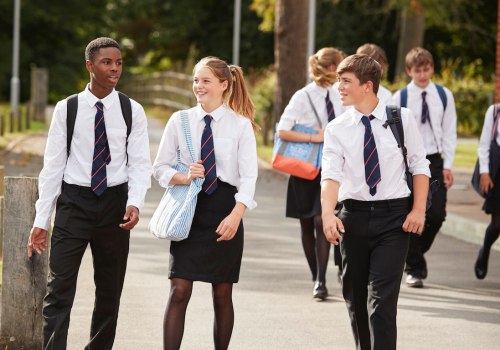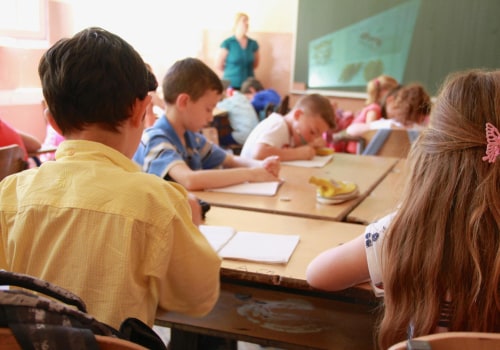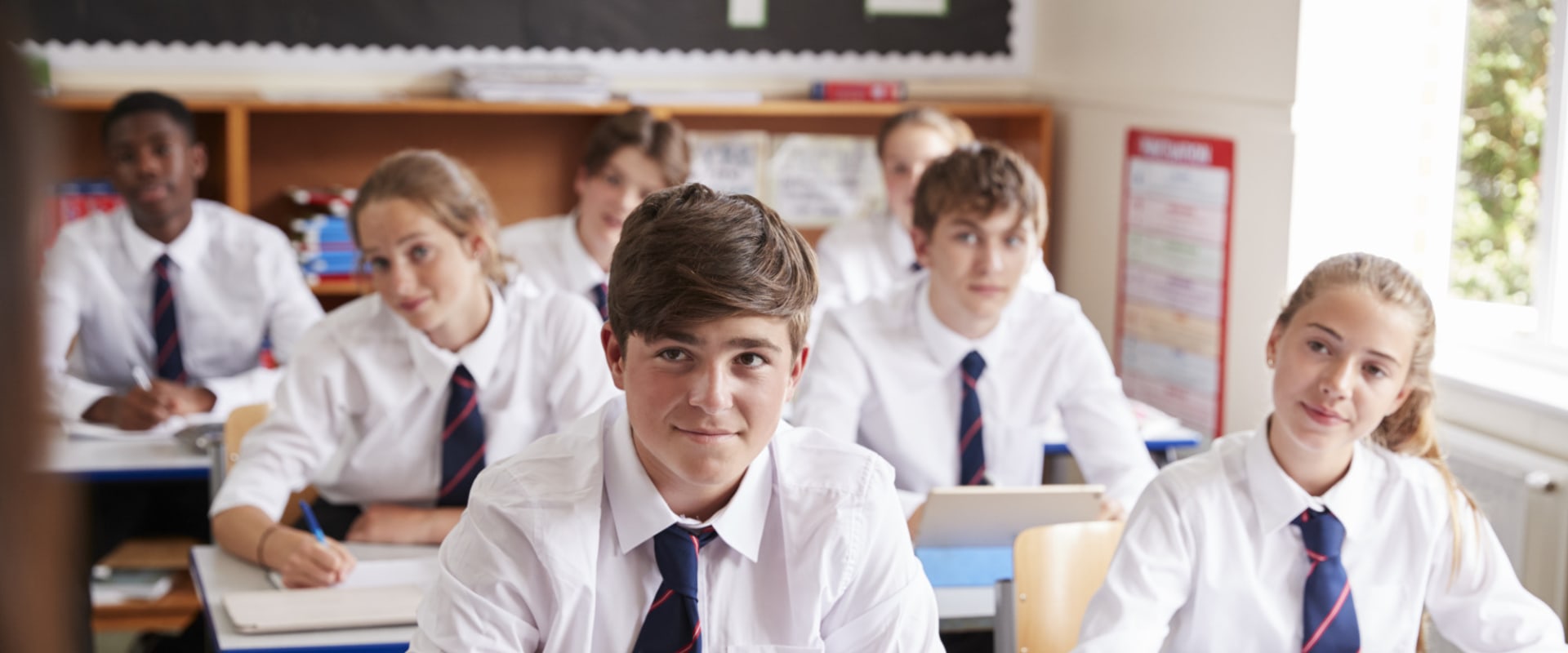
In recent years, the landscape of education in the United States has seen a significant shift, with an increasing number of families exploring the option of private schools as a viable alternative to traditional public education. This growing trend can be attributed to various factors, including a desire for enhanced academic rigor, personalized learning experiences, and a curriculum that aligns more closely with family values. As parents seek the best possible educational environment for their children, private schools have emerged as a compelling choice.One of the primary reasons families are drawn to private education is the promise of smaller class sizes. In contrast to public schools, where classrooms can often be overcrowded, private institutions typically maintain lower student-to-teacher ratios.
This allows educators to devote more time and attention to each student, fostering an atmosphere where individual learning styles can be recognized and nurtured. As a result, students often experience greater academic success and personal growth.Moreover, private schools frequently offer specialized programs and extracurricular activities that cater to diverse interests and talents. From advanced placement courses to arts and athletics, these institutions provide a breadth of opportunities that can enhance a child's educational journey. Families are increasingly recognizing that such offerings not only enrich their children's learning experiences but also help them develop essential life skills.Additionally, many private schools emphasize character development and moral education, which resonates with parents seeking a holistic approach to their child's upbringing.
By integrating values-based teachings into their curricula, these schools aim to cultivate responsible and compassionate individuals who are prepared to contribute positively to society. As the demand for quality education continues to rise, understanding the advantages of private schools becomes crucial for families navigating their educational options.
Individualized Attention and Smaller Class Sizes
One of the most compelling benefits of attending a private school is the opportunity for individualized attention that students receive. Unlike public schools, which often have larger class sizes, private schools typically maintain a lower student-to-teacher ratio. This allows educators to focus more on each student’s unique learning style and needs.In a smaller classroom environment, teachers can tailor their instruction methods to better suit individual students.For instance, they can identify specific areas where a student may struggle and provide targeted support. This personalized approach not only enhances understanding but also fosters a deeper engagement with the material being taught.Moreover, the intimate setting of smaller classes encourages students to participate more actively in discussions. They are more likely to voice their thoughts and questions when they feel that their contributions are valued and acknowledged. This active participation can lead to improved critical thinking skills and greater confidence in their abilities.Another advantage of smaller class sizes in private schools is the stronger relationships that can develop between teachers and students.
Educators have the time to get to know their students on a personal level, which can create a supportive learning environment. When students feel understood and supported, they are more likely to take academic risks and explore new ideas without fear of judgment.Additionally, this close-knit atmosphere often extends beyond academics. Teachers in private schools frequently serve as mentors, guiding students not just in their studies but also in personal development. This holistic approach to education can significantly impact a student’s overall growth and well-being.In summary, the emphasis on individualized attention and smaller class sizes in private schools leads to enhanced student engagement, stronger teacher-student relationships, and ultimately, a more effective learning experience.
Families seeking an educational environment that prioritizes personal growth alongside academic achievement will find that private schools offer distinct advantages that are hard to overlook.
Curriculum Flexibility and Academic Excellence
One of the most compelling advantages of private schools in the USA is their remarkable curriculum flexibility. Unlike public schools, which must adhere to state-mandated guidelines and standardized testing requirements, private institutions have the autonomy to design their own curricula. This freedom allows them to implement innovative teaching methods and tailor educational experiences that meet the unique needs of their students.Private schools often prioritize academic excellence , focusing on rigorous academic standards that challenge students and prepare them for higher education. With the ability to select their own educational materials and teaching strategies, these schools can incorporate advanced coursework, specialized programs, and enrichment opportunities that may not be available in public settings.For instance, many private schools offer International Baccalaureate (IB) programs or Advanced Placement (AP) courses, which provide students with the chance to earn college credit while still in high school.This not only enhances their academic profile but also fosters a culture of high achievement and motivation among students.Moreover, the flexibility in curriculum design enables private schools to integrate interdisciplinary approaches that connect various subjects. For example, a project-based learning model might combine science, technology, engineering, arts, and mathematics (STEAM) into cohesive units that encourage critical thinking and creativity. Such an approach not only makes learning more engaging but also equips students with essential skills for the 21st century.Additionally, private schools can adapt their curricula to reflect current events and societal changes. This responsiveness ensures that students are not only learning foundational knowledge but are also being prepared to navigate a rapidly evolving world.
Whether it’s incorporating discussions on climate change or exploring technological advancements, private schools can stay relevant and impactful.In summary, the curriculum flexibility offered by private schools is a significant factor contributing to their reputation for academic excellence. By allowing educators to innovate and customize learning experiences, these institutions create an environment where students can thrive academically and personally.
Values-Based Education and Moral Development
One of the defining characteristics of many private schools in the USA is their commitment to providing a values-based education. This approach not only focuses on academic excellence but also emphasizes the moral and ethical development of students. For families seeking an educational environment that aligns with their personal beliefs and values, private schools often present a compelling option.Many private institutions incorporate specific religious teachings or philosophical frameworks into their curricula.This integration allows students to explore their faith or moral beliefs in a structured setting, fostering a sense of community and shared values among peers. For instance, Catholic schools may include religious studies as a core component of their education, while other faith-based schools might focus on character education that emphasizes virtues such as honesty, respect, and compassion.Moreover, the emphasis on moral development in private schools often extends beyond the classroom. Many institutions encourage students to engage in community service and social justice initiatives, helping them to understand the importance of giving back and being responsible citizens. This hands-on approach not only reinforces the values taught in school but also instills a sense of empathy and social responsibility in students.In addition to religious or philosophical teachings, private schools frequently promote a culture of respect and inclusivity.
By fostering an environment where diverse perspectives are valued, these schools prepare students to navigate an increasingly complex world. This focus on inclusivity can be particularly appealing to families who wish for their children to develop strong interpersonal skills and a deep understanding of different cultures and viewpoints.Ultimately, the combination of academic rigor and a strong moral framework makes private schools an attractive choice for many families. By prioritizing values-based education, these institutions not only equip students with knowledge but also guide them in becoming well-rounded individuals who are prepared to contribute positively to society.
Enhanced Extracurricular Opportunities
One of the standout features of private schools in the USA is their commitment to providing a diverse array of extracurricular activities. These programs are designed not only to enhance students' educational experiences but also to foster personal growth, teamwork, and leadership skills.Variety of Extracurricular Activities
- Arts Programs: Many private schools offer robust arts programs, including visual arts, music, theater, and dance.
These programs encourage creativity and self-expression, allowing students to explore their artistic talents in a supportive environment.
- Sports Teams: Athletics play a significant role in private school culture. With a focus on teamwork and physical fitness, students can participate in a wide range of sports, from traditional options like basketball and soccer to less common activities such as fencing or lacrosse.
- Community Service: Private schools often emphasize the importance of giving back to the community. Through organized service projects, students learn the value of empathy and social responsibility while making a positive impact on their surroundings.
Benefits of Extracurricular Engagement
Engaging in these activities not only enriches students' lives but also contributes significantly to their overall development. Participation in extracurricular programs has been linked to improved academic performance, as students who are involved outside the classroom often develop better time management skills and a stronger sense of discipline.Moreover, these activities provide opportunities for students to form lasting friendships and build networks that can benefit them throughout their lives.
The collaborative nature of team sports and group projects fosters a sense of belonging and community among students, which is particularly important during formative years.
Conclusion
The extensive range of extracurricular opportunities available at private schools not only enhances the educational experience but also plays a crucial role in shaping well-rounded individuals. By participating in arts, sports, and community service programs, students develop essential life skills that prepare them for future challenges both academically and personally.
Parental Involvement and Community Engagement
One of the standout features of private schools in the USA is the strong sense of community that permeates these institutions. This community is not just limited to students and teachers; it extends to parents and local organizations, creating a collaborative environment that significantly enhances the educational experience.Parental Involvement
In private schools, parental involvement is often actively encouraged and celebrated. Parents are not merely spectators in their children’s education; they are integral participants.
This involvement can take many forms, including:
- Volunteering: Many private schools have robust volunteer programs where parents can assist in classrooms, organize events, or help with administrative tasks.
- Parent-Teacher Associations (PTAs): These organizations provide a platform for parents to collaborate with teachers and school administrators, fostering open communication and shared goals.
- Fundraising Activities: Parents often play a crucial role in fundraising efforts, which can directly impact the quality of education by providing resources for extracurricular activities, technology upgrades, and facility improvements.
Community Engagement
The sense of community in private schools extends beyond the school gates. Many institutions prioritize community engagement as part of their mission. This can include:
- Service Projects: Private schools often encourage students to participate in community service projects, helping them develop empathy and a sense of responsibility towards others.
- Partnerships with Local Organizations: Collaborations with local businesses and non-profits can provide students with real-world learning opportunities while strengthening ties within the community.
- Cultural Events: Schools frequently host events that celebrate diversity and foster inclusivity, allowing families to share their backgrounds and traditions.
They learn the importance of giving back and become more socially aware individuals.In conclusion, the emphasis on parental involvement and community engagement in private schools creates a nurturing environment that benefits students academically and socially. By fostering strong relationships among parents, teachers, and the wider community, private schools cultivate a supportive atmosphere where students can thrive.
College Preparation and Success Rates
When it comes to preparing students for college, private schools often excel in ways that significantly enhance their graduates' chances of acceptance and success. One of the primary reasons for this advantage is the comprehensive college preparatory programs that many private institutions offer. These programs are designed not only to meet academic standards but also to equip students with the skills and knowledge necessary for higher education.Tailored College Counseling
Private schools typically provide personalized college counseling services that begin early in a student’s high school career.
Counselors work closely with students to identify their strengths, interests, and potential career paths. This individualized approach helps students select appropriate courses, engage in extracurricular activities, and prepare for standardized tests like the SAT or ACT. As a result, private school graduates often present a well-rounded application that appeals to college admissions committees.
Higher Acceptance Rates
Statistics reveal that private school graduates tend to have higher college acceptance rates compared to their public school counterparts. According to various studies, private school students are more likely to gain admission to prestigious universities.
This can be attributed to several factors:
- Academic Rigor: Private schools often maintain high academic standards and offer advanced placement (AP) courses, which can enhance a student's academic profile.
- Extracurricular Opportunities: Many private schools provide a wide range of extracurricular activities, including leadership roles in clubs and sports, which can strengthen college applications.
- Networking: Private schools frequently have strong alumni networks that can assist current students in securing internships and recommendations.
Focus on Holistic Development
In addition to academics, private schools emphasize holistic development, which includes social skills, emotional intelligence, and leadership abilities. This well-rounded education prepares students not just for college but for life beyond it. Graduates from private schools often report feeling more confident and prepared for the challenges of higher education.
Conclusion
The combination of tailored support, rigorous academics, and a focus on personal growth makes private schools an excellent choice for families seeking the best possible preparation for college. As students navigate their educational journeys, the resources and opportunities available at private institutions can lead to successful outcomes that extend far beyond graduation.
Diversity and Inclusion in Private Schools
In recent years, many private schools in the USA have made significant strides in promoting diversity and inclusion within their student bodies and curricula.This commitment to fostering a multicultural environment not only enriches the educational experience but also prepares students to thrive in an increasingly global society.One of the primary ways private schools are enhancing diversity is through targeted recruitment efforts. Many institutions actively seek to enroll students from various racial, ethnic, and socioeconomic backgrounds. This approach helps create a more representative student body, allowing students to learn from one another's experiences and perspectives.Moreover, private schools often implement comprehensive inclusion policies that ensure all students feel valued and supported. These policies may include:
- Anti-bullying initiatives: Programs designed to prevent harassment and promote respect among students.
- Cultural competency training: Workshops for faculty and staff that focus on understanding and addressing the needs of diverse student populations.
- Support services: Resources such as counseling and mentorship programs aimed at helping underrepresented students succeed academically and socially.
This approach not only highlights the contributions of various cultures but also encourages critical thinking about social justice issues. By integrating diverse perspectives into subjects like history, literature, and the arts, students gain a more comprehensive understanding of the world around them.The benefits of these efforts extend beyond the classroom. Students who attend diverse private schools often develop stronger interpersonal skills, greater empathy, and a deeper appreciation for different cultures. These attributes are invaluable in today’s interconnected world, where collaboration across cultural lines is increasingly essential.In conclusion, the commitment to diversity and inclusion in private schools not only enhances the educational experience but also equips students with the skills necessary to navigate a diverse society.
As these institutions continue to evolve, their focus on creating inclusive environments will undoubtedly play a crucial role in shaping future generations of leaders.
Challenges and Considerations of Private Schooling
While private schools offer numerous advantages, it is essential to consider the challenges and factors that may affect a family's decision to pursue this educational path. Understanding these challenges can help parents make informed choices that align with their values and financial situations.Cost of Private Education
One of the most significant barriers to private schooling is the cost. Tuition rates for private schools can vary widely, often ranging from a few thousand dollars to over $50,000 per year. This financial commitment can be daunting for many families, especially those with multiple children.
Additionally, many private institutions do not offer the same level of financial aid or scholarships as public schools, which can further limit accessibility.Parents must also consider additional expenses associated with private education, such as uniforms, textbooks, extracurricular activities, and transportation. These costs can add up quickly, making it crucial for families to evaluate their budgets and determine whether they can sustain this investment in their child's education.
Accessibility and Location
Another challenge is the accessibility of private schools. While urban areas may have a variety of options, families in rural or less populated regions may find fewer private institutions available. This limited access can force families to travel long distances or relocate entirely to ensure their children receive a private education.
Varying Quality Among Institutions
Not all private schools are created equal.
The quality of education can vary significantly from one institution to another. Some private schools may excel in academics and extracurricular offerings, while others may lack essential resources or qualified staff. Parents should conduct thorough research, including visiting schools, speaking with current students and parents, and reviewing academic performance metrics before making a decision.
Social Considerations
Social dynamics within private schools can also present challenges. While smaller class sizes often foster close-knit communities, they can also lead to cliques or exclusivity among students.
Parents should consider whether the social environment aligns with their values and whether it will support their child's social development.In conclusion, while private schools offer unique benefits such as personalized attention and tailored curricula, families must weigh these advantages against the potential challenges of cost, accessibility, varying quality, and social dynamics. By carefully considering these factors, parents can make informed decisions that best suit their children's educational needs.
<strong>Conclusion</strong>
In summary, the advantages of private schools in the USA are multifaceted and significant. Families seeking an educational environment that prioritizes individualized attention, tailored curricula, and a values-based approach often find that private institutions meet their needs more effectively than public schools. The smaller class sizes inherent in many private schools foster a sense of community and belonging, allowing students to engage more deeply with their peers and educators.Moreover, the flexibility in curriculum design enables private schools to implement innovative teaching methods and specialized programs that cater to diverse learning styles.This adaptability not only enhances academic performance but also encourages critical thinking and creativity among students. As a result, many graduates from private schools are well-prepared for the challenges of higher education and beyond.Another compelling aspect of private education is the emphasis on character development and moral education. Many private schools incorporate ethical teachings and community service into their programs, helping students develop a strong sense of responsibility and empathy. This holistic approach to education nurtures not just academically proficient individuals but also socially conscious citizens.Furthermore, parents often report higher satisfaction levels regarding their children’s educational experiences in private settings.
This satisfaction stems from the ability to choose schools that align with their family values, whether those are religious beliefs, educational philosophies, or specific academic focuses. The strong partnership between parents and educators in private schools can lead to enhanced student outcomes.Ultimately, while the decision to enroll a child in a private school is influenced by various factors—including financial considerations—many families find that the long-term benefits outweigh the costs. The unique opportunities provided by private schools can significantly impact a child's academic journey and personal growth, making them a worthwhile investment for many families.