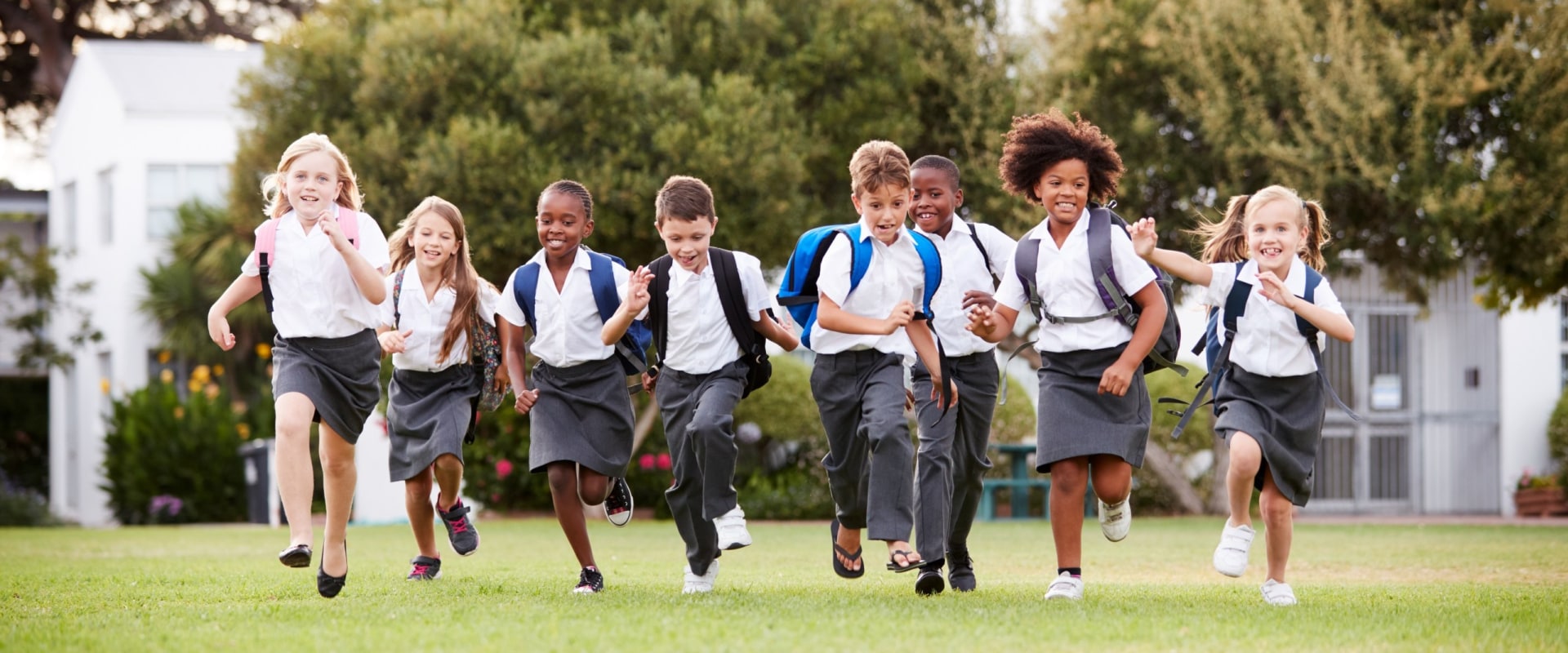
When it comes to the safety of educational environments, the conversation often centers around the differences between private schools and public schools. Parents and guardians are increasingly concerned about the well-being of their children, prompting them to seek out institutions that prioritize safety. In this context, private schools have emerged as a compelling option, often boasting lower rates of violence and a more controlled environment. Understanding the factors that contribute to the overall safety of private schools is essential for parents making informed decisions about their children's education.One of the most striking aspects of private school safety is the statistical evidence that supports its reputation.
Research indicates that only a small fraction—approximately 6%—of school shootings occur in private institutions, while public schools account for a staggering 94%. This disparity raises important questions about the underlying reasons for such differences. Are private schools inherently safer due to their smaller class sizes, more stringent admission processes, or enhanced security measures? Or do they simply attract families who prioritize safety and discipline?Moreover, the culture within private schools often emphasizes community and accountability, which can play a significant role in fostering a safe learning environment. Many private institutions implement comprehensive safety protocols, including regular drills, mental health resources, and close relationships with local law enforcement.
These proactive measures not only help prevent incidents but also create an atmosphere where students feel secure and supported.As we delve deeper into this topic, we will explore various aspects of private vs public school safety, examining not just statistics but also the qualitative factors that contribute to a secure educational experience. By understanding these elements, parents can better navigate their options and choose a school that aligns with their values and safety expectations.
The Landscape of Private Schools in America
The private school system in America is a diverse and multifaceted landscape that plays a significant role in the overall education framework. With over 34,000 private schools across the country, they serve approximately 5.7 million students, which accounts for about 10% of the total K-12 student population. This statistic highlights the importance of private schools in providing alternative educational options for families seeking different learning environments.Private schools can be categorized into several types, each with its unique philosophy and approach to education:- Religious Schools: These institutions are affiliated with a particular faith and often incorporate religious teachings into their curriculum.
Examples include Catholic, Jewish, and Islamic schools.
- Independent Schools: Operated independently of any religious or governmental affiliation, these schools often emphasize a specific educational philosophy, such as Montessori or Waldorf.
- Specialized Schools: These schools cater to specific student needs, such as those with learning disabilities or gifted students. They provide tailored programs to support individual learning styles.
- Preparatory Schools: Often referred to as "prep schools," these institutions focus on preparing students for higher education, offering rigorous academic programs and advanced placement courses.
Many private institutions encourage parents to participate actively in school activities, creating a strong sense of community among families. This involvement can lead to enhanced student outcomes, as parents who are engaged tend to be more invested in their children's education.In conclusion, the landscape of private schools in America is characterized by diversity in types and philosophies, significant enrollment figures, and an essential role in the educational ecosystem. As families continue to seek alternatives to public schooling, understanding the various options available within the private school sector becomes increasingly important.
Safety Statistics: Private Schools vs. Public Schools
When evaluating the safety of educational environments, it is essential to consider the statistics that differentiate private schools from public schools.Numerous studies and reports have highlighted significant disparities in safety records, which can be crucial for parents making decisions about their children's education.One of the most striking statistics is that only about 6% of school shootings in the United States occur in private schools. In contrast, a staggering 94% of these tragic incidents take place in public schools. This data suggests that private institutions may implement more effective safety measures and protocols to protect their students.In addition to school shootings, other forms of violence and crime also show a marked difference between the two types of schools. According to the National Center for Education Statistics (NCES), private schools report lower instances of violent crimes, such as assaults and thefts, compared to their public counterparts.
For instance:
- Assaults: Private schools have reported assault rates that are significantly lower than those in public schools, with many private institutions maintaining a zero-tolerance policy towards violence.
- Theft: Theft incidents are also less frequent in private schools, often attributed to smaller student populations and a more closely-knit community atmosphere.
- Bullying: Reports indicate that bullying is less prevalent in private schools, where smaller class sizes allow for more personalized attention from educators.
The lower incidence of violent crimes, combined with effective safety protocols and a strong community focus, makes private schools an appealing option for parents concerned about their children's safety.
Factors Contributing to Safety in Private Schools
When examining the safety of private schools, several key factors contribute to their enhanced security compared to public institutions. Understanding these elements can provide parents and guardians with peace of mind when considering educational options for their children.- Robust Security Measures: Private schools often invest significantly in security infrastructure. This includes:
- Controlled Access Points: Many private schools implement strict entry protocols, such as requiring visitors to sign in and wear identification badges. This helps ensure that only authorized individuals can enter the premises.
- Surveillance Systems: The use of CCTV cameras throughout the campus allows for constant monitoring of activities, deterring potential threats and providing evidence in case of incidents.
- Emergency Preparedness Plans: Private schools typically develop comprehensive emergency response plans that are regularly practiced through drills.
These plans cover various scenarios, including natural disasters and active shooter situations.
- Smaller Class Sizes: One of the defining characteristics of private schools is their smaller student-to-teacher ratios. This not only fosters a more personalized learning environment but also enhances safety in several ways:
- Increased Supervision: With fewer students, teachers can more effectively monitor behavior and identify any issues before they escalate.
- Stronger Relationships: Smaller class sizes allow for stronger relationships between students and staff, which can lead to better communication about safety concerns.
- Community Involvement: Private schools often have a close-knit community that plays a vital role in maintaining safety. This involvement can manifest in various ways:
- Parental Engagement: Active participation from parents in school activities and safety committees helps create a culture of vigilance and accountability.
- Collaboration with Local Authorities: Many private schools establish partnerships with local law enforcement and emergency services, ensuring that they have access to resources and support when needed.
Security Measures Implemented by Private Schools
Private schools across America are increasingly prioritizing the safety of their students through a variety of comprehensive security measures.These institutions recognize that a secure environment is essential for effective learning and overall student well-being. Below are some of the key security systems and protocols that private schools implement to ensure a safe educational experience.
- Advanced Surveillance Systems: Many private schools have invested in state-of-the-art surveillance technology, including high-definition cameras strategically placed throughout the campus. These systems not only monitor entrances and exits but also cover hallways, playgrounds, and common areas. The presence of visible cameras acts as a deterrent to potential threats and provides valuable evidence in case of incidents.
- Controlled Access Points: To enhance security, private schools often employ controlled access systems.
This may include keycard entry, biometric scanners, or security personnel stationed at main entrances. By limiting access to the school premises, these measures help ensure that only authorized individuals can enter, thereby reducing the risk of unauthorized visitors.
- Emergency Preparedness Plans: Private schools typically develop detailed emergency preparedness plans tailored to various scenarios, including natural disasters, medical emergencies, and active shooter situations. These plans outline specific procedures for staff and students to follow during emergencies, ensuring a coordinated response that prioritizes safety.
- Regular Safety Drills: To reinforce their emergency preparedness plans, private schools conduct regular safety drills. These drills familiarize students and staff with evacuation routes and emergency protocols.
By practicing these procedures, schools can ensure that everyone knows how to respond quickly and effectively in a crisis.
- Collaboration with Local Authorities: Many private schools maintain strong relationships with local law enforcement and emergency services. This collaboration allows for better communication during emergencies and ensures that schools receive timely updates on safety protocols and community threats.
The Role of Community and Parental Involvement in School Safety
In the realm of education, the safety of students is a paramount concern, and private schools often benefit from strong community and parental involvement. This engagement not only fosters a supportive environment but also enhances the overall safety of the school.When parents and community members actively participate in school activities, they contribute to a culture of vigilance and care that can significantly deter potential threats.
Community Involvement in Schools
- Building Relationships: Strong ties between schools and local communities create a network of support. Community members who are familiar with the school environment can help identify unusual behaviors or situations that may pose risks.
- Resource Sharing: Local businesses and organizations can provide resources, whether through funding for safety programs or offering facilities for school events. This collaboration enhances the school's ability to implement effective safety measures.
- Volunteer Programs: Engaging community volunteers in various school functions, such as monitoring hallways or assisting during events, increases adult presence on campus, which can deter negative behavior.
Parental Engagement in Education
- Active Participation: Parents who are involved in their children's education tend to be more aware of their children's social circles and activities. This awareness can lead to early detection of potential issues, such as bullying or peer pressure.
- Communication Channels: Open lines of communication between parents and school staff foster a collaborative approach to safety.
Regular meetings and updates allow parents to voice concerns and contribute ideas for improving safety protocols.
- Support for Policies: When parents are informed about school safety policies, they can reinforce these measures at home, creating a consistent message about the importance of safety.
Addressing Common Concerns About Private School Safety
When it comes to the safety of private schools in America, many parents and guardians have legitimate concerns. Understanding these concerns is crucial for making informed decisions about a child's education.Below, we address some of the most common questions and misconceptions regarding the safety of private educational institutions compared to their public counterparts.
Are Private Schools Safer Than Public Schools?
Statistical data suggests that private schools tend to have lower incidents of violence and crime compared to public schools. For instance, research indicates that only 6% of school shootings occur in private institutions, while a staggering 94% happen in public schools. This disparity can be attributed to several factors:
- Smaller Class Sizes: Private schools often maintain smaller student-to-teacher ratios, allowing for more personalized attention and better monitoring of student behavior.
- Stricter Admission Policies: Many private schools have rigorous admission processes that can filter out students who may pose safety risks.
- Enhanced Security Measures: Private institutions frequently invest in advanced security systems, including surveillance cameras and controlled access points.
Concerns About Private School Safety
Despite the statistics favoring private school safety, some parents still harbor concerns. Common worries include:
- Lack of Resources: Some believe that private schools may not have the same level of resources as public schools for emergency preparedness and response.
- Isolation from Community: There is a perception that private schools can be insular, potentially leading to a lack of awareness about broader community issues that could impact safety.
- Cultural Differences: Parents may worry about how cultural or socioeconomic differences among students could lead to conflicts or bullying.
Myths About Private Schools
Misinformation can cloud judgment when it comes to understanding the safety of private schools.
Here are some prevalent myths:
- Myth 1: Private Schools Are Immune to Violence: While they may experience fewer incidents, no school is completely immune to violence. Awareness and proactive measures are essential.
- Myth 2: All Private Schools Are the Same: The safety protocols and environments can vary significantly between different private institutions. Researching individual schools is vital.
- Myth 3: Private Schools Do Not Address Bullying: Many private schools have robust anti-bullying policies and programs aimed at fostering a safe environment for all students.
Case Studies: Success Stories from Private Schools
Private schools across America have demonstrated remarkable success in creating safe environments for their students.Through innovative safety measures and community engagement, these institutions have set benchmarks that others can aspire to. Below are several case studies highlighting the effective strategies employed by various private schools.
St. Mary’s Academy: A Comprehensive Safety Program
Located in Denver, Colorado, St. Mary’s Academy has implemented a comprehensive safety program that includes regular safety drills, mental health resources, and a dedicated security team.The school conducts bi-annual safety assessments to identify potential vulnerabilities and address them proactively. This approach has resulted in a significant reduction in incidents, fostering a sense of security among students and parents alike.
Greenwood School: Community Involvement
Greenwood School in Massachusetts has taken a unique approach by involving parents and local law enforcement in its safety initiatives. The school hosts regular workshops that educate families on emergency preparedness and conflict resolution. By building strong relationships with the community, Greenwood has created a supportive network that enhances overall safety.This collaborative effort has led to a notable decrease in bullying incidents and an increase in student well-being.
Riverside Preparatory: Technology-Driven Security
Riverside Preparatory in California has embraced technology to bolster its security measures. The school utilizes advanced surveillance systems and access control technologies to monitor the campus effectively. Additionally, Riverside has implemented an anonymous reporting system that allows students to report concerns without fear of retaliation. This proactive stance on safety has not only deterred potential threats but also empowered students to take an active role in their own security.Conclusion
The success stories from these private schools illustrate that effective safety measures are not one-size-fits-all; rather, they require tailored approaches that consider the unique needs of each community.By prioritizing safety through comprehensive programs, community involvement, and innovative technologies, private schools are setting a high standard for educational environments across the nation.
The Future of Safety in Private Education
As we look to the future of safety in private education, it is essential to recognize the evolving landscape of security measures and protocols that are being implemented across the nation. Private schools are increasingly adopting innovative technologies and strategies to enhance the safety of their students and staff.One significant trend is the integration of advanced technology into school security systems. Many private institutions are investing in smart surveillance systems that utilize artificial intelligence (AI) to monitor school premises in real-time. These systems can detect unusual behavior, alert security personnel, and even analyze crowd dynamics during events, ensuring a proactive approach to safety.Moreover, the use of access control systems has become more prevalent.Schools are implementing keycard entry systems that restrict access to authorized personnel only. This not only helps in preventing unauthorized entry but also allows for better tracking of who is on campus at any given time.In addition to technological advancements, private schools are also revising their emergency response protocols. Regular drills and training sessions are being conducted to prepare students and staff for various emergency scenarios, including natural disasters and active shooter situations. These drills foster a culture of preparedness and ensure that everyone knows their role in maintaining safety.Furthermore, mental health awareness is becoming a cornerstone of safety initiatives in private education.
Schools are recognizing that a safe environment extends beyond physical security; it also encompasses emotional well-being. Programs aimed at promoting mental health resources and support systems are being integrated into the curriculum, helping students cope with stress and anxiety.Collaboration with local law enforcement agencies is another critical aspect of future safety measures. Many private schools are forming partnerships with police departments to develop tailored safety plans that address specific community needs. This collaboration not only enhances security but also builds trust between students and law enforcement.As we move forward, it is clear that the future of safety in private education will be shaped by a combination of technology, proactive training, mental health support, and community collaboration.
By embracing these innovations and trends, private schools can create a safer learning environment that prioritizes the well-being of every student.
Conclusion: The Importance of Safety in Education Choices
In conclusion, the safety of educational environments is a paramount concern for parents and guardians when selecting a school for their children. Throughout this discussion, we have explored various aspects of safety in private schools compared to public institutions, highlighting significant differences that can influence educational choices.One of the most compelling statistics is that only 6% of school shootings occur in private schools, while a staggering 94% take place in public schools. This data underscores the reality that private schools often implement more stringent security measures and foster a more controlled environment. These measures can include:- Access Control: Many private schools utilize advanced access control systems, ensuring that only authorized individuals can enter the premises.
- Smaller Class Sizes: With fewer students per class, private schools can provide more personalized attention and supervision, which enhances overall safety.
- Emergency Preparedness: Private institutions frequently conduct regular safety drills and have comprehensive emergency response plans in place.
- Community Engagement: The close-knit nature of many private school communities fosters a sense of belonging and vigilance among students, staff, and parents alike.
This holistic approach to education not only prioritizes academic excellence but also nurtures emotional well-being and social skills.As parents weigh their options, it is crucial to consider not just academic performance but also the safety measures in place at potential schools. Visiting campuses, speaking with administrators about their safety protocols, and understanding the school's culture can provide valuable insights into how well a school prioritizes student safety.Ultimately, choosing a school is one of the most significant decisions a family can make. By prioritizing safety alongside educational quality, parents can ensure that their children thrive in an environment conducive to learning and personal growth. The importance of safety in education cannot be overstated; it is an essential factor that shapes not only academic success but also the overall development of young individuals.