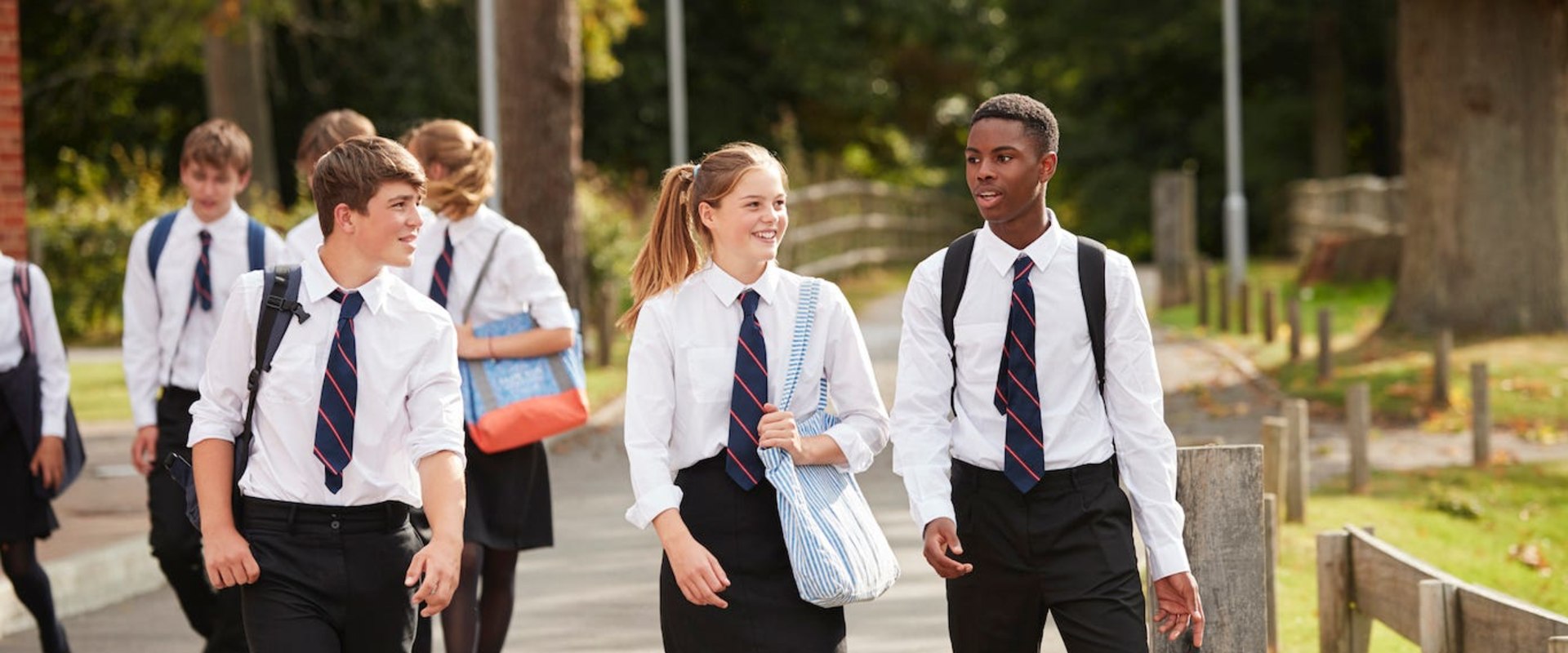
In the landscape of the U. S. education system, private schools occupy a unique and significant position. While public schools serve the vast majority of students, with over 63 million enrolled nationwide, private education remains a vital alternative for many families.
Currently, approximately 5.7 million students are enrolled in private institutions, which account for about 10 percent of all students in grades PK-12. This statistic underscores the importance of understanding the role that private schools play in shaping educational outcomes and opportunities across the country.The diversity among private schools is noteworthy, as they encompass a wide range of educational philosophies, curricula, and affiliations. According to data from the National Center for Education Statistics, there are over 34,000 private schools operating in the United States. A striking feature of this sector is that around 78 percent of private school students attend institutions with religious affiliations. This trend highlights how many parents opt for private education not only for academic reasons but also to align their children's schooling with their personal beliefs and values.As we delve deeper into the impact of private schools on education in the United States, it is essential to consider various factors such as academic performance, social dynamics, and access to resources. Currently, approximately 5.7 million students are enrolled in private institutions, which account for about 10 percent of all students in grades PK-12. This statistic underscores the importance of understanding the role that private schools play in shaping educational outcomes and opportunities across the country.The diversity among private schools is noteworthy, as they encompass a wide range of educational philosophies, curricula, and affiliations. According to data from the National Center for Education Statistics, there are over 34,000 private schools operating in the United States. A striking feature of this sector is that around 78 percent of private school students attend institutions with religious affiliations. This trend highlights how many parents opt for private education not only for academic reasons but also to align their children's schooling with their personal beliefs and values.As we delve deeper into the impact of private schools on education in the United States, it is essential to consider various factors such as academic performance, social dynamics, and access to resources.
The choice between public and private education often reflects broader societal trends and parental priorities. Understanding these dynamics can provide valuable insights into how private schools contribute to the overall educational landscape and influence future generations.
Understanding Private Schools: Definitions and Types
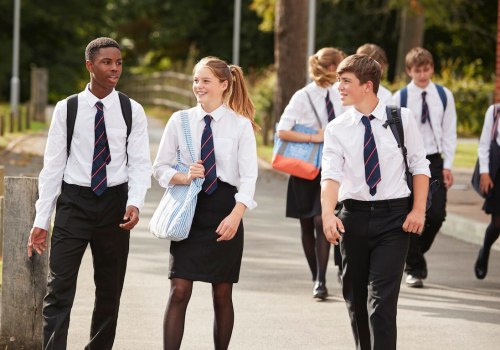
Private schools, often referred to as independent schools , are educational institutions that operate independently of the public school system. They are funded primarily through tuition paid by families and private contributions, rather than through government funding. This independence allows private schools to establish their own curricula, teaching methods, and admission policies, which can vary significantly from one institution to another.There are several distinct types of private schools in the United States, each catering to different educational philosophies and student needs:- Religious Schools: These institutions are affiliated with a particular faith and incorporate religious teachings into their curriculum.
Approximately 78 percent of private school students attend religiously affiliated schools, which can range from Catholic and Protestant to Jewish and Islamic institutions. The integration of faith-based education often emphasizes moral development alongside academic achievement.
- Independent Schools: Independent schools are non-religious institutions that operate autonomously. They often emphasize a specific educational philosophy or approach, such as Montessori or Waldorf education. These schools typically have more flexibility in their curriculum design and may focus on holistic education, critical thinking, and creativity.
- Preparatory Schools: Often referred to as "prep schools," these institutions are designed to prepare students for higher education.
They usually offer rigorous academic programs and a wide range of extracurricular activities. Many prep schools have a strong emphasis on college readiness, providing advanced placement courses and college counseling services.
- Funding: Public schools are funded by state and local taxes, while private schools rely on tuition and donations.
- Curriculum Control: Private schools have the autonomy to create their own curricula without state mandates, allowing for specialized programs that may not be available in public schools.
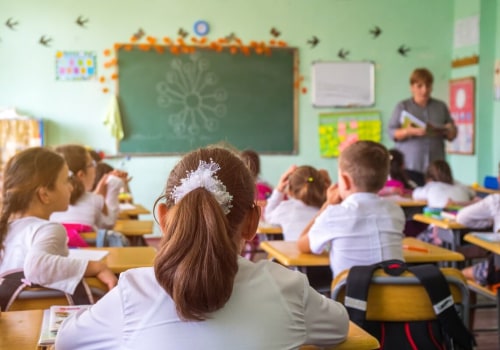
- Class Size: Private schools often boast smaller class sizes, which can lead to more individualized attention for students.
- Diversity of Offerings: Private institutions may offer unique programs or specialized tracks that cater to specific interests or talents, such as arts or sciences.
Enrollment Trends in Private Schools
Understanding the enrollment trends in private schools is crucial for grasping the broader implications of private education in the United States. Recent statistics reveal that approximately 5.7 million students are currently enrolled in private schools, which accounts for about 10% of the total PK-12 student population.This figure, while seemingly modest compared to public school enrollment, represents a significant segment of the educational landscape.Over the past few decades, private school enrollment has experienced various fluctuations influenced by economic, social, and educational factors. For instance, during economic downturns, some families may opt for public schooling due to financial constraints, leading to a temporary decline in private school enrollment. Conversely, in times of economic prosperity, there tends to be an uptick in private school attendance as families seek perceived advantages such as smaller class sizes and specialized curricula.Demographically, the landscape of private school students is diverse. According to recent data from the National Center for Education Statistics (NCES), about 78% of private school students attend institutions affiliated with a religious organization.
This statistic underscores the importance of faith-based education for many families. However, it is also essential to recognize that non-religious private schools are gaining traction, particularly among families seeking alternative educational philosophies or progressive teaching methods.In terms of geographic distribution, private schools are not uniformly spread across the country. States like California and New York have a higher concentration of private institutions, reflecting both population density and parental preferences for educational options. Additionally, urban areas tend to have a more significant number of private schools compared to rural regions, where public schools dominate.The demographics of private school students also reveal interesting trends regarding socioeconomic status.
Families with higher income levels are more likely to enroll their children in private institutions, often due to the associated tuition costs. However, scholarship programs and financial aid initiatives are increasingly making private education accessible to a broader range of families.In summary, while private school enrollment statistics indicate a stable yet fluctuating presence within the U. education system, understanding the underlying trends and demographics provides valuable insights into the motivations behind these choices. As educational needs evolve and societal values shift, monitoring these trends will be essential for educators and policymakers alike.
The Role of Private Schools in Educational Outcomes
The impact of private schools on educational outcomes is a topic of considerable interest among parents, educators, and policymakers.As families weigh their options for their children's education, understanding the differences in academic performance between private and public schools becomes crucial.One of the most significant advantages often attributed to private schools is their ability to provide a tailored educational experience. Many private institutions maintain smaller class sizes, which can lead to more individualized attention for students. This personalized approach often results in higher levels of student engagement and participation, fostering an environment where academic success can flourish.Research indicates that students attending private schools tend to outperform their public school counterparts on standardized tests. For instance, studies conducted by the National Center for Education Statistics (NCES) reveal that private school students generally score higher on the SAT and ACT exams.
This trend can be attributed to several factors:
- Curriculum Flexibility: Private schools often have the freedom to design their curricula without the constraints imposed by state mandates. This flexibility allows them to implement innovative teaching methods and specialized programs that cater to diverse learning styles.
- Parental Involvement: Families who choose private education are typically more engaged in their children's schooling. This heightened involvement can lead to better academic outcomes as parents often take an active role in supporting their children's education.
- Resource Availability: Many private schools have access to greater financial resources, enabling them to invest in advanced technology, extracurricular activities, and specialized staff. These resources can enhance the overall educational experience and contribute to improved academic performance.
Students in private schools often enjoy a more diverse range of extracurricular activities, which can play a vital role in developing well-rounded individuals. Participation in sports, arts, and community service not only enriches the educational experience but also fosters essential life skills such as teamwork, leadership, and time management.In conclusion, while both private and public schools have their unique strengths and challenges, the evidence suggests that private schools can significantly impact educational outcomes. For parents considering educational options for their children, understanding these differences is essential in making informed decisions that align with their values and aspirations for their child's future.
The Influence of Religious Affiliation on Private Education
Religious affiliation plays a pivotal role in shaping the landscape of private education in the United States. With approximately 78 percent of private school students attending institutions linked to a religious organization, it is essential to understand how these affiliations influence educational philosophies, curricula, and the overall student experience.Many parents opt for religious private schools due to their desire for an education that aligns with their faith values.These schools often integrate spiritual teachings with academic subjects, creating a holistic approach to education that emphasizes moral development alongside intellectual growth. For instance, a Christian private school may incorporate biblical principles into its science curriculum, encouraging students to explore the intersection of faith and reason.The impact of religion on education extends beyond the curriculum. In religious private schools, students are often encouraged to participate in community service and outreach programs, fostering a sense of social responsibility and empathy. This emphasis on character development is a significant draw for many families seeking an environment that nurtures not only academic excellence but also ethical behavior.Moreover, the community aspect of religious private schools can enhance the educational experience.
Parents and students often find themselves part of a close-knit community that shares similar values and beliefs. This sense of belonging can lead to increased parental involvement in school activities, which has been shown to positively affect student achievement.However, it is important to recognize that the influence of religious affiliation can also lead to challenges. For example, some critics argue that a faith-based curriculum may limit exposure to diverse perspectives and critical thinking skills. In contrast, proponents assert that such an environment encourages students to engage with their beliefs thoughtfully and critically.In conclusion, the role of religious affiliation in private education is multifaceted.
It shapes not only the academic framework but also the social dynamics within schools. Understanding this influence is crucial for parents considering private schooling options, as it directly impacts their children's educational journey and personal development.
Socioeconomic Factors and Access to Private Education
The relationship between socioeconomic status and access to private education is a complex and multifaceted issue that significantly influences the educational landscape in the United States. While private schools offer unique educational opportunities, the high cost of tuition often creates barriers for families from lower socioeconomic backgrounds.Private school tuition can vary widely, with some institutions charging upwards of $30,000 per year. This financial burden can be daunting for many families, particularly those who are already struggling to make ends meet.As a result, access to private education is often limited to families with higher incomes, perpetuating a cycle of inequality in educational opportunities.However, there are avenues available that aim to bridge this gap. Many private schools offer scholarships and financial aid programs designed to assist families who may not otherwise afford tuition. These programs can significantly reduce the cost of attendance, making private education more accessible. For instance, some schools provide need-based scholarships that take into account a family's financial situation, while others may offer merit-based awards for students who excel academically or in extracurricular activities.In addition to scholarships, various organizations and foundations also contribute to making private education more affordable.
For example, some states have implemented voucher programs , which allow families to use public funding to pay for private school tuition. These initiatives aim to empower parents by giving them more choices regarding their children's education.Despite these efforts, challenges remain. The availability of scholarships and financial aid can vary significantly from one school to another, leading to disparities in access even among private institutions. Furthermore, the application process for financial aid can be complex and intimidating for some families, potentially deterring them from pursuing these options.Ultimately, understanding the impact of socioeconomic factors on access to private education is crucial for fostering equity in educational opportunities.
As discussions around educational reform continue, it is essential to consider how we can enhance access to private schooling for all families, regardless of their financial circumstances.
The Debate: Are Private Schools Better?
The discussion surrounding the effectiveness of private schools compared to public schools is a multifaceted debate that encompasses various perspectives. Advocates for private education often highlight several advantages that they believe contribute to a superior learning environment.- Smaller Class Sizes: One of the most frequently cited benefits of private schools is their ability to maintain smaller class sizes. This allows for more individualized attention from teachers, fostering a more personalized learning experience.
- Curriculum Flexibility: Private schools often have the freedom to design their own curricula, which can lead to innovative teaching methods and specialized programs that cater to diverse student interests and needs.
- Parental Involvement: Many private schools encourage high levels of parental involvement, which can enhance student motivation and engagement. This community aspect often creates a supportive environment for both students and families.
- Resources and Facilities: Private institutions may have access to better funding, allowing them to provide superior facilities, technology, and extracurricular activities that enrich the educational experience.
Detractors argue that these institutions can perpetuate inequality in education.
- Accessibility: Private schools often come with high tuition fees, making them inaccessible to many families. This raises concerns about equity in education, as students from lower-income backgrounds may not have the same opportunities as their wealthier peers.
- Standardized Testing and Accountability: Critics point out that private schools are not always held to the same accountability standards as public schools. This lack of oversight can lead to disparities in educational quality and outcomes.
- Social Segregation: Some argue that private schools can foster social segregation by creating environments where students from similar socioeconomic backgrounds interact predominantly with one another, limiting exposure to diverse perspectives.
As such, it is essential for parents to carefully consider all factors when making educational choices for their children.
The Future of Private Schools in America
As we look toward the future of private schools in America, several trends and challenges are emerging that will shape the landscape of private education. Understanding these dynamics is crucial for educators, parents, and policymakers alike.Future Trends in Private Education
- Increased Demand for Personalized Learning: With the rise of technology in education, private schools are increasingly adopting personalized learning models. This approach tailors educational experiences to individual student needs, allowing for greater engagement and improved outcomes.
- Focus on STEM and STEAM Programs: As the job market evolves, there is a growing emphasis on science, technology, engineering, arts, and mathematics (STEM/STEAM) education. Private schools are likely to expand their curricula to include more robust programs in these areas, preparing students for future careers.
- Integration of Social-Emotional Learning (SEL): Recognizing the importance of mental health and emotional intelligence, many private schools are incorporating SEL into their curricula.
This trend aims to foster well-rounded individuals who can navigate both academic and personal challenges effectively.
Challenges Facing Private Schools
- Financial Sustainability: Many private schools rely heavily on tuition fees and donations. Economic downturns can significantly impact enrollment numbers and funding sources, leading to financial instability.
- Competition from Public Charter Schools: The rise of public charter schools has created a competitive environment for private institutions. These charter schools often offer innovative programs at no cost to families, which can draw potential students away from private options.
- Regulatory Pressures: As educational policies evolve, private schools may face increased scrutiny regarding their admissions practices and curriculum standards. Navigating these regulations while maintaining their unique identities will be a significant challenge.
Innovations in Private Schooling
- Blended Learning Models: Many private schools are experimenting with blended learning environments that combine traditional classroom instruction with online learning.
This model allows for greater flexibility and can cater to diverse learning styles.
- Partnerships with Technology Companies: Collaborations with tech firms can provide private schools access to cutting-edge educational tools and resources. These partnerships can enhance the learning experience and prepare students for a tech-driven world.
- Global Learning Opportunities: Some private institutions are expanding their horizons by offering international programs or partnerships with foreign schools. This exposure can enrich students' educational experiences and foster global citizenship.
Frequently Asked Questions About Private Schools
When considering private schools, many parents and students have questions that can help clarify their understanding of private education.Below are some of the most frequently asked questions about private schools, along with detailed answers to dispel common myths and provide valuable insights.
What is the difference between private and public schools?
Private schools are independently funded institutions that charge tuition and are not governed by the same regulations as public schools. In contrast, public schools are funded by taxpayer dollars and must adhere to state educational standards. This fundamental difference often leads to variations in curriculum, class sizes, and overall educational approaches.Are private schools only for wealthy families?
This is a common misconception. While it is true that many private schools have high tuition fees, there are also numerous options that offer financial aid, scholarships, and sliding scale tuition based on family income.Many families from diverse economic backgrounds choose private education for various reasons, including specialized programs or smaller class sizes.
Do private schools provide a better education?
The quality of education can vary significantly among both private and public schools. Some studies suggest that private schools may offer advantages such as smaller class sizes and more individualized attention. However, it is essential to evaluate each school on its own merits rather than making blanket assumptions about all private institutions.What types of private schools are available?
- Religious Schools: These institutions often incorporate faith-based teachings into their curriculum.
- Montessori Schools: Focused on child-led learning and hands-on experiences.
- Specialized Schools: Catering to specific needs such as arts, sciences, or learning disabilities.
- Independent Schools: Operate without religious affiliation and often emphasize a particular educational philosophy.
Are teachers in private schools less qualified than those in public schools?
This myth is not necessarily true. While public school teachers are required to hold state certifications, many private school educators also possess advanced degrees and specialized training.The hiring criteria can vary widely among private institutions, so it’s crucial to research individual schools to understand their faculty qualifications.
How do I choose the right private school for my child?
Selecting the right private school involves considering several factors:- Curriculum: Ensure the school’s curriculum aligns with your child’s educational needs and interests.
- Class Size: Smaller class sizes often lead to more personalized attention.
- Location: Proximity can be important for daily commutes.
- Cultural Fit: Visit the school to see if its values align with your family’s beliefs.
Conclusion: The Lasting Impact of Private Schools on U. Education
In conclusion, the role of private schools in the United States education system is multifaceted and significant. Throughout this discussion, we have explored various dimensions of private education, including its historical context, the diverse motivations behind parental choices, and the implications for educational equity and access.One of the most compelling aspects of private schools is their ability to offer tailored educational experiences that cater to specific student needs. Many parents opt for private education due to the perceived advantages in academic rigor, smaller class sizes, and specialized programs that may not be available in public schools.This choice often reflects a desire for a more personalized approach to learning, which can lead to enhanced student engagement and achievement.Moreover, the prevalence of religiously affiliated private schools underscores the importance of values-based education in American society. For many families, these institutions provide not only academic instruction but also a framework for instilling moral and ethical values in their children. This aspect of private schooling contributes to a rich tapestry of educational options that reflect the diverse beliefs and priorities of American families.However, it is crucial to recognize the challenges that arise from the existence of private schools within a predominantly public education system. Issues of educational equity and access are paramount, as private institutions often cater to families with greater financial resources.
This can exacerbate existing disparities in educational opportunities, particularly for low-income students who may not have access to similar quality education.As we reflect on the impact of private schools on U. education, it becomes evident that they play a vital role in shaping educational landscapes. Understanding their influence helps illuminate broader discussions about educational reform, funding, and policy-making aimed at ensuring equitable access to quality education for all students.Ultimately, the conversation surrounding private schools is not merely about their existence but about how they fit into the larger framework of American education. As stakeholders continue to navigate these complexities, it is essential to consider both the benefits and challenges posed by private schooling in order to foster an inclusive and effective educational environment for every child.