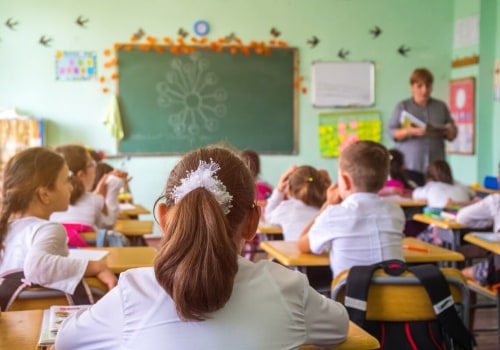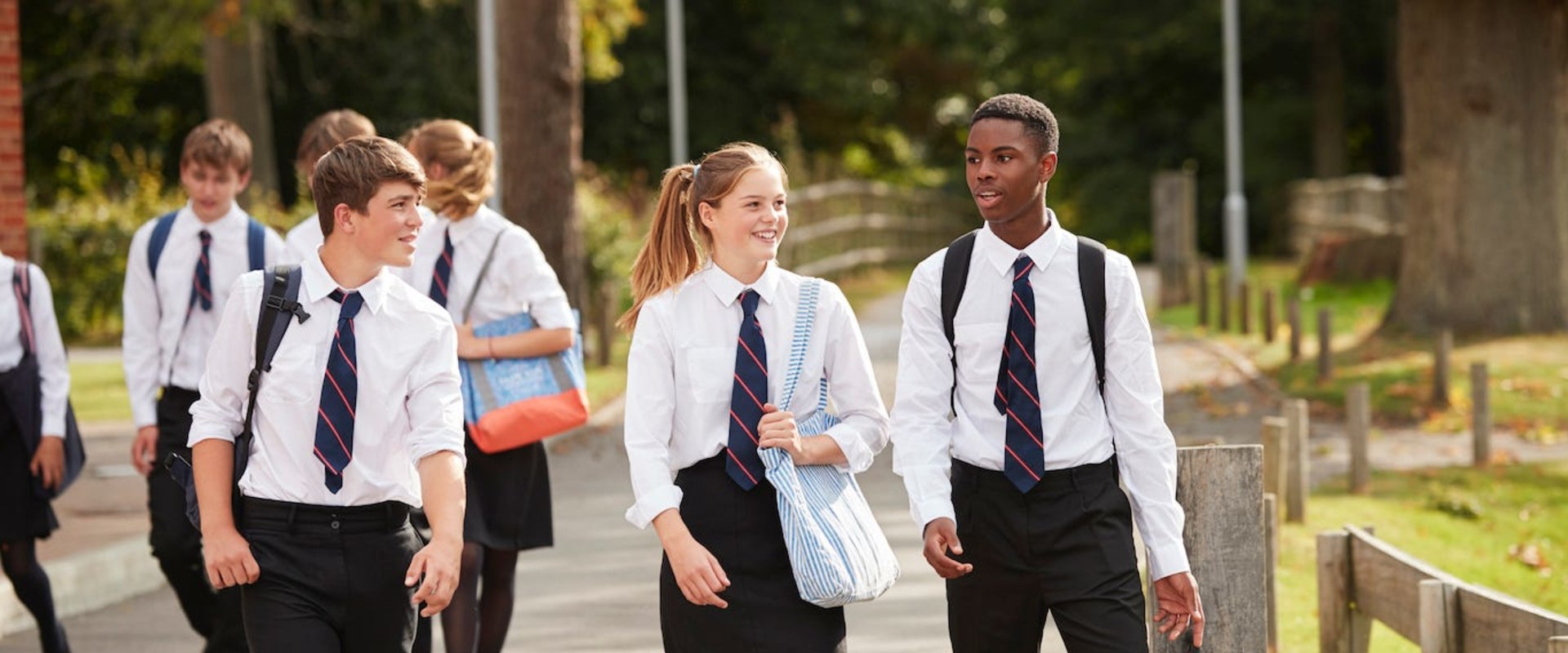
Private high schools play a pivotal role in shaping the educational landscape of the United States. These institutions are often characterized by their commitment to providing a high-quality education tailored to the individual needs of students. Unlike public schools, private high schools typically operate independently of government funding, allowing them greater flexibility in their curricula and teaching methods. This independence often results in a more personalized learning environment, where students can thrive academically and socially.One of the most significant advantages of attending a private school is the smaller class sizes.
With fewer students per classroom, teachers can offer more individualized attention, fostering deeper relationships and enhancing the learning experience. This intimate setting not only allows for more effective teaching but also encourages student participation and engagement. In addition, many private schools emphasize specialized curricula that cater to diverse interests and talents, whether it be in the arts, sciences, or athletics.Moreover, private high schools often prioritize college preparation, equipping students with the skills and knowledge necessary to succeed in higher education. Many institutions offer advanced placement courses, honors programs, and college counseling services that guide students through the college application process.
This focus on academic excellence is reflected in the impressive college acceptance rates of private school graduates, who frequently gain admission to prestigious universities across the country.In summary, private high schools provide a unique educational experience that emphasizes quality, personalization, and preparation for future success. As families consider their options for secondary education, understanding the benefits of private schooling can help them make informed decisions that align with their children's academic and personal growth.
What Makes Private High Schools Unique?
Private high schools offer a distinctive educational experience that sets them apart from public institutions. One of the most significant factors contributing to their uniqueness is their educational philosophy. Many private schools adopt a holistic approach to education, emphasizing not only academic excellence but also personal development, character building, and social responsibility.This philosophy often translates into smaller class sizes, allowing for more individualized attention and fostering a supportive learning environment.Another defining characteristic of private high schools is their governance structure. Unlike public schools, which are governed by school districts and state regulations, private schools operate independently. This autonomy enables them to create tailored curricula that align with their educational missions and values. For instance, some private institutions may focus on specific pedagogical approaches, such as Montessori or International Baccalaureate programs, which can significantly enhance the learning experience.Funding sources also play a crucial role in differentiating private high schools from their public counterparts.
Private institutions primarily rely on tuition fees, donations, and endowments rather than government funding. This financial model allows them greater flexibility in resource allocation, enabling investments in advanced technology, extracurricular programs, and facilities that enhance the overall educational experience.Moreover, the curriculum design in private high schools often reflects a commitment to innovation and adaptability. Educators in these institutions have the freedom to implement unique courses and programs that cater to students' interests and career aspirations. For example, many private schools offer specialized tracks in the arts, sciences, or humanities that are not typically available in public schools.In addition to academic offerings, private high schools frequently emphasize extracurricular activities , which are integral to student development.
These activities range from sports teams to arts programs and community service initiatives, providing students with opportunities to explore their passions and develop leadership skills.Ultimately, the unique features of private high schools—ranging from their educational philosophies and governance structures to funding sources and curriculum flexibility—create an environment that fosters both academic achievement and personal growth. This combination is what attracts many families seeking an enriching educational experience for their children.
Criteria for Evaluating Private High Schools
When it comes to choosing the right private school for a student, understanding the criteria used to evaluate and rank these institutions is crucial. Parents and students alike should consider several key factors that contribute to the overall quality of education and student experience.Academic Performance Metrics
One of the primary criteria for evaluating private high schools is their academic performance. This includes:- Standardized Test Scores: Schools often report average scores from tests such as the SAT, ACT, and Advanced Placement (AP) exams.
High scores can indicate a strong academic program.
- Curriculum Rigor: The breadth and depth of courses offered, including honors and AP classes, are essential. A robust curriculum prepares students for college-level work.
- Graduation Rates: High graduation rates are a positive indicator of a school's ability to support its students through to completion.
Extracurricular Offerings
A well-rounded education extends beyond academics. Evaluating a school's extracurricular offerings can provide insight into its commitment to developing the whole student. Consider:- Clubs and Organizations: A variety of clubs, from academic teams to arts and cultural organizations, can enhance student engagement.
- Athletics: Participation in sports fosters teamwork and discipline, contributing to personal growth.
- Community Service Programs: Schools that encourage community involvement help students develop a sense of social responsibility.
College Placement Rates
The effectiveness of a private high school can also be measured by its college placement rates.This includes:
- Acceptance Rates: The percentage of graduates who are accepted into colleges and universities can reflect the school's academic rigor and college preparatory focus.
- Diversity of Colleges: The range of institutions that students are accepted into, from local colleges to Ivy League schools, showcases the school's ability to prepare students for various paths.
Community Involvement
A school's connection to its community can significantly impact its educational environment. Factors to consider include:- Parent Involvement: Active parent-teacher associations (PTAs) and volunteer opportunities can enhance the school experience.
- Partnerships with Local Organizations: Collaborations with local businesses and nonprofits can provide students with real-world experiences.
Top Private High Schools in the United States
When it comes to choosing the right educational path, many families turn to private schools for their unique offerings and personalized approach to learning. Below, we explore some of the most prestigious private high schools in the United States, each known for its commitment to academic excellence and holistic student development.Lakeside School
Located in Seattle, Washington, Lakeside School has a rich history dating back to 1919. This co-educational institution is renowned for its rigorous academic curriculum that emphasizes critical thinking and creativity. Lakeside offers a variety of Advanced Placement (AP) courses and has a strong college preparatory focus.Extracurricular activities are abundant, with options ranging from robotics to theater, allowing students to explore their interests beyond academics. Notable alumni include Bill Gates and Paul Allen, co-founders of Microsoft.
Haverford School
Founded in 1888, Haverford School is an all-boys private school located just outside Philadelphia. This college preparatory institution emphasizes character development alongside academic achievement. Haverford offers a robust curriculum that includes honors and AP courses, as well as a strong emphasis on the arts and athletics.The school’s commitment to community service is evident through its various outreach programs. Alumni include prominent figures such as actor John Lithgow and former U. S. Secretary of State Colin Powell.
Marlborough School
Marlborough School, established in 1889 in Los Angeles, California, is an all-girls private school dedicated to empowering young women through education.Marlborough School, established in 1889 in Los Angeles, California, is an all-girls private school dedicated to empowering young women through education.The school offers a challenging curriculum that includes a wide range of AP courses and encourages students to engage in leadership roles within the community. With a strong focus on the arts and athletics, Marlborough provides a well-rounded education that prepares students for success in college and beyond. Notable alumni include actress Kate Hudson and journalist Ann Curry.
Sidwell Friends School
Located in Washington D. C., Sidwell Friends School has been educating students since 1883. Known for its Quaker values, Sidwell emphasizes social responsibility and community service alongside academic rigor.The school offers a diverse array of AP courses and extracurricular activities, including debate club and environmental initiatives. Alumni include President Franklin D. Roosevelt and former First Daughter Chelsea Clinton.These schools represent just a fraction of the exceptional private high schools available across the United States. Each institution not only provides a strong academic foundation but also fosters personal growth through various programs and activities designed to prepare students for future success.
Regional Highlights: Notable Private High Schools by State
When considering private high schools across the United States, it's essential to recognize the unique offerings and strengths of institutions in various regions.Each state boasts its own set of distinguished private schools that cater to diverse educational needs and philosophies. Below is a breakdown of notable private high schools by state, highlighting their distinctive features.
- California: The Golden State is home to several prestigious private schools. Harvard-Westlake School in Los Angeles is renowned for its rigorous academic programs and strong arts curriculum, while Stanford Online High School offers a unique online learning experience for gifted students.
- New York: New York City hosts some of the most elite private schools in the country. The Brearley School, an all-girls institution, emphasizes a liberal arts education, while The Dalton School is known for its progressive educational approach and strong college preparatory programs.
- Texas: In Dallas, The Hockaday School stands out as a leading all-girls school with a focus on leadership and global citizenship.
Meanwhile, St. Mark's School of Texas offers a coeducational environment with a strong emphasis on academic excellence and character development.
- Pennsylvania: The state is home to The Hill School, a historic boarding school that combines rigorous academics with a strong athletic program. Additionally, The Episcopal Academy in Newtown Square emphasizes moral development alongside academic achievement.
- Illinois: Chicago's The Latin School of Chicago is celebrated for its commitment to academic rigor and community service. The school fosters a diverse environment where students are encouraged to excel both academically and socially.
- Florida: In Miami, Belen Jesuit Preparatory School, an all-boys institution, offers a strong college preparatory curriculum rooted in Jesuit values.
Its focus on character development and community service sets it apart from other schools in the region.
- Massachusetts: Known for its academic excellence, Phillips Academy Andover has produced numerous successful alumni. This coeducational boarding school emphasizes critical thinking and leadership skills among its students.
The Role of Extracurricular Activities in Private High Schools
Extracurricular activities play a pivotal role in the educational experience at private high schools, offering students opportunities to explore their interests beyond the classroom. These programs not only enhance academic learning but also contribute significantly to personal growth, social skills, and college readiness.Importance of Extracurricular Activities
- Holistic Development: Engaging in extracurricular activities allows students to develop a well-rounded skill set.
Whether through sports, arts, or clubs, students learn teamwork, leadership, and time management—skills that are invaluable in both college and future careers.
- Social Connections: Private high schools often foster a close-knit community. Extracurricular activities provide a platform for students to form friendships and build networks that can last a lifetime. These connections can be particularly beneficial when applying to colleges, as they often lead to strong letters of recommendation.
- Enhanced College Applications: Admissions officers at top universities look for well-rounded candidates. Participation in extracurricular activities demonstrates a student’s commitment, passion, and ability to balance multiple responsibilities.
This can set them apart in a competitive applicant pool.
The Role of Sports
Sports programs in private high schools are not just about competition; they are integral to fostering discipline and resilience. Students involved in athletics learn the importance of hard work and perseverance. Moreover, sports can enhance physical health and promote mental well-being, which is crucial during the demanding high school years.
The Arts: A Creative Outlet
Participation in the arts—be it music, theater, or visual arts—encourages creativity and self-expression. Private high schools often provide robust arts programs that allow students to explore their talents and interests.
These experiences can lead to increased confidence and improved academic performance, as studies have shown a correlation between arts education and higher achievement in other subjects.
Conclusion
In summary, extracurricular activities are essential components of the private school experience. They not only enrich student life but also prepare young individuals for the challenges of higher education and beyond. By participating in sports, arts, and various clubs, students cultivate skills that will serve them well throughout their lives.
Financial Considerations: Tuition and Scholarships at Private High Schools
When considering a private school education, one of the most significant factors families must evaluate is the financial commitment involved. Tuition costs at private high schools can vary widely based on location, school reputation, and the resources offered.On average, families can expect to pay anywhere from $10,000 to over $50,000 per year. In metropolitan areas or prestigious institutions, tuition can reach upwards of $60,000 annually.In addition to tuition, families should also consider other associated costs such as uniforms, textbooks, extracurricular activities, and technology fees. These additional expenses can add several thousand dollars to the overall cost of attending a private school.
Understanding Scholarships for Private Schools
Many private high schools offer scholarships to help alleviate the financial burden on families. These scholarships can be merit-based, need-based, or awarded for specific talents such as athletics or the arts.Merit-based scholarships are typically awarded to students who demonstrate exceptional academic performance or potential, while need-based scholarships are designed to assist families with limited financial resources.It is essential for families to research the scholarship opportunities available at each school they are considering. Some schools may have their own scholarship programs funded by alumni donations or endowments, while others may participate in broader scholarship initiatives that pool resources from multiple institutions.
Exploring Financial Aid Options
In addition to scholarships, many private schools offer financial aid packages that can significantly reduce tuition costs. Financial aid is often based on a family's income and assets and is typically assessed through a standardized application process. Schools may require families to submit detailed financial information to determine eligibility for aid.Families should not hesitate to reach out to the admissions office of prospective schools to inquire about available financial aid options.Many schools are committed to making their education accessible and may have resources or programs in place to assist families in need.Ultimately, while the cost of a private school education can be daunting, there are numerous avenues available for financial assistance. By thoroughly researching tuition costs, scholarships, and financial aid options, families can make informed decisions that align with their educational goals and financial capabilities.
Frequently Asked Questions About Private High Schools
When considering a private high school for your child, it's natural to have questions about the admissions process, the differences between public and private education, and how to select the right institution. Below are some frequently asked questions that can help guide your decision-making process.What is the admissions process for private high schools?
The admissions process for private high schools can vary significantly from one institution to another. Generally, it includes the following steps:- Application Form: Parents must complete an application form that typically requires basic information about the student and family.
- Entrance Exams: Many private schools require students to take standardized tests to assess their academic readiness.
- Interviews: Some schools conduct interviews with both students and parents to gauge fit and interest in the school’s culture.
- Recommendations: Schools often ask for letters of recommendation from teachers or other adults who can speak to the student’s character and academic abilities.
- Financial Aid Applications: If applicable, families may need to submit financial aid applications to determine eligibility for assistance.
How do private schools differ from public schools?
Private schools and public schools differ in several key areas:- Funding: Private schools are funded through tuition payments, donations, and endowments, while public schools receive funding from state and local taxes.
- Curriculum Flexibility: Private schools have more freedom to design their curricula, allowing them to offer specialized programs that may not be available in public schools.
- Class Size: Private schools often have smaller class sizes, which can lead to more individualized attention for students.
- Diversity of Programs: Many private institutions offer unique extracurricular activities, advanced placement courses, and specialized programs tailored to student interests.
What factors should I consider when choosing a private high school?
Selecting the right private high school involves careful consideration of several factors:- Academic Reputation: Research the school’s academic performance, including standardized test scores and college acceptance rates.
- Cultural Fit: Visit the school and observe its environment.
Consider whether the school's values align with your family's beliefs.
- Extracurricular Opportunities: Look into the variety of extracurricular activities offered, as these can enhance your child's educational experience.
- Location: Consider the school's location in relation to your home and whether transportation options are available.
Conclusion: The Value of a Private High School Education
As we conclude our exploration of the top private high schools in the United States, it is essential to reflect on the profound impact that a private school education can have on students. The institutions highlighted throughout this article are not merely places of learning; they are environments that cultivate intellectual curiosity, personal growth, and a sense of community.One of the most significant advantages of attending a private high school is the emphasis on academic excellence. These schools often provide a rigorous curriculum that challenges students to excel. With smaller class sizes, educators can offer personalized attention, ensuring that each student receives the support they need to thrive.This tailored approach not only enhances academic performance but also fosters critical thinking and problem-solving skills that are invaluable in today’s competitive landscape.Moreover, private schools frequently offer a wealth of extracurricular activities, from arts and athletics to community service initiatives. These programs play a crucial role in developing well-rounded individuals. Students are encouraged to explore their interests and passions outside the classroom, which can lead to lifelong skills and friendships.Another key aspect of private education is the strong sense of community and values instilled in students. Many private schools emphasize character development alongside academic achievement.
This holistic approach prepares students not just for college but for life beyond academia. They learn the importance of leadership, empathy, and social responsibility—qualities that are essential in today’s global society.In addition to these benefits, attending a private high school often opens doors to prestigious colleges and universities. The rigorous academic standards and comprehensive college counseling services provided by these institutions equip students with the tools they need to succeed in higher education.Ultimately, choosing a private school is a significant decision that requires careful consideration of various factors, including academic offerings, extracurricular opportunities, and the overall environment. As parents and students weigh their options, it is crucial to recognize the unique advantages that private high schools can provide.In summary, the value of a private high school education extends far beyond academics.
It encompasses personal growth, community engagement, and preparation for future success. By investing in a private education, families are not just choosing a school; they are choosing a pathway to a brighter future for their children.