When considering educational options for their children, many parents in Florida find themselves weighing the benefits of private schools against the costs associated with them. The average cost of private school in Florida can vary significantly based on a multitude of factors, including the school's location, its religious affiliation, and the grade level of the students. Understanding these costs is crucial for families looking to make informed decisions about their children's education.In Florida, private school tuition can range from a few thousand dollars to over $30,000 per year. This wide disparity often reflects the quality of education provided, the facilities available, and the extracurricular programs offered.
For instance, prestigious institutions may charge higher fees due to their advanced curriculum and specialized programs, while smaller or less well-known schools might offer more affordable options. Additionally, many private schools in Florida provide financial aid and scholarship opportunities to help alleviate the burden of tuition costs for families in need.As parents navigate this landscape, it is essential to consider not only the financial implications but also the potential return on investment that a private education can offer. Factors such as class size, teacher qualifications, and student support services can greatly influence a child's academic experience and overall development. By exploring these elements alongside tuition rates, families can better assess whether a particular private school aligns with their educational goals and financial capabilities.Ultimately, understanding the costs associated with private schools in Florida is just the beginning of a comprehensive evaluation process.
As we delve deeper into this topic, we will explore various aspects that contribute to tuition rates and how families can navigate their options effectively.
Overview of Private Schools in Florida
Florida's private school landscape is as diverse as its population, offering a wide array of educational options tailored to meet the varied needs and preferences of families. Understanding the different types of private schools available can help parents make informed decisions regarding their children's education.Types of Private Schools in Florida
- Religious Schools: Many private schools in Florida are affiliated with religious organizations, providing education that aligns with specific faith-based values. These institutions often incorporate religious teachings into their curriculum, which can be appealing to families seeking a holistic education that includes spiritual development. Examples include Catholic, Jewish, and Islamic schools.
- Non-Religious Schools: Non-religious private schools focus on secular education and may offer a variety of curricula, including traditional, progressive, or Montessori methods.
These schools often emphasize academic excellence and may provide specialized programs in arts, sciences, or technology.
- Specialized Institutions: Some private schools cater to specific learning needs or interests. For instance, there are schools designed for students with learning disabilities, gifted programs for advanced learners, and institutions that focus on particular subjects like performing arts or STEM (Science, Technology, Engineering, and Mathematics).
- Montessori and Waldorf Schools: These alternative education models emphasize child-centered learning and holistic development. Montessori schools encourage independence and self-directed learning, while Waldorf schools focus on creativity and imagination through a structured curriculum.
For example, religious schools may have lower tuition rates due to funding from their affiliated organizations, while specialized institutions might charge higher fees to support their unique programs.In conclusion, when exploring private school options in Florida, it is essential for families to consider the type of school that best aligns with their educational goals and values. This understanding will not only aid in selecting the right institution but also provide insight into the potential costs associated with private education in the state.
Factors Influencing Private School Costs
When considering the cost of private schools in Florida, it is essential to understand the various factors that contribute to tuition rates. These factors can significantly influence the overall expense of private education, making it crucial for parents to evaluate them carefully.Location
The geographical location of a private school plays a pivotal role in determining its tuition fees. Schools situated in urban areas, such as Miami or Orlando, often have higher costs due to increased demand and living expenses.Conversely, private schools in rural areas may offer lower tuition rates, reflecting the local economic conditions and cost of living.
School Reputation
The reputation of a private school can also impact its pricing structure. Institutions known for academic excellence, strong college placement records, or specialized programs may charge higher tuition. Parents often perceive these schools as providing superior educational opportunities, which can justify the increased costs.Facilities and Resources
Private schools that boast state-of-the-art facilities, such as modern classrooms, science labs, sports complexes, and arts studios, typically have higher operational costs. These expenses are often passed on to families through tuition fees.Additionally, schools that offer advanced technology and resources for students may also see an increase in their overall costs.
Teacher Qualifications
The qualifications and experience of faculty members are another significant factor influencing private school costs. Schools that employ highly qualified teachers with advanced degrees or specialized training often have higher salaries and benefits for their staff. This investment in quality educators is reflected in the tuition rates.Extracurricular Offerings
Many private schools provide a wide range of extracurricular activities, including sports teams, arts programs, and clubs. While these offerings enhance the educational experience, they also contribute to the overall cost of running the school.Schools that prioritize a well-rounded education may charge more to support these additional programs.In summary, understanding the various factors that influence private school tuition is essential for parents considering this educational path for their children. By evaluating location, reputation, facilities, teacher qualifications, and extracurricular offerings, families can make informed decisions about their investment in education.
Average Tuition Rates for Private Schools in Florida
When considering the average tuition rates for private schools in Florida, it is essential to recognize that costs can vary significantly based on several factors, including the type of school, its location, and the grade level of the students. As of 2023, the average annual tuition for private schools in Florida is approximately $11,000 for elementary schools, $13,000 for middle schools, and around $15,000 for high schools.This variation in tuition reflects not only the educational services provided but also the operational costs associated with different educational levels. For instance, high schools often offer a wider range of extracurricular activities and advanced placement courses, which can contribute to higher tuition fees.Tuition Comparison by School Type
In Florida, private schools can be categorized into several types, including religious-affiliated institutions, independent schools, and specialized academies.Here’s a breakdown of average tuition rates by school type:
- Religious Schools: These institutions typically charge lower tuition rates, averaging around $9,500 per year. Many families choose these schools for their values-based education.
- Independent Schools: Independent or non-religious private schools tend to have higher tuition rates, averaging about $14,000. These schools often provide a more diverse curriculum and extensive extracurricular options.
- Specialized Academies: Schools that focus on specific areas such as arts or sciences can have tuition rates that exceed $20,000 , reflecting their specialized programs and resources.
Regional Variations in Tuition Costs
The cost of private education also varies by region within Florida. For example:- Urban Areas: Cities like Miami and Orlando generally have higher tuition rates due to increased demand and living costs.
Average tuition in these areas can reach up to $18,000 .
- Rural Areas: In contrast, rural regions may offer lower tuition rates, averaging around $8,000 , as operational costs are typically lower.
Financial Aid and Scholarships for Private School Students
For many families considering a private school education in Florida, the financial aspect can be daunting. However, there are numerous financial aid options and scholarship programs designed to help alleviate the costs associated with private schooling. Understanding these resources can make a significant difference in making private education more accessible.Private School Scholarships in Florida
- Florida Tax Credit Scholarship Program: This program provides scholarships to low-income families, allowing them to choose a private school that best fits their child's needs.
The scholarships can cover tuition and fees, making it a vital resource for many.
- Family Empowerment Scholarship: This scholarship is aimed at families with students who have special needs or those from low-income households. It offers funding that can be used for tuition at eligible private schools.
- McKay Scholarship Program: Specifically designed for students with disabilities, this program allows parents to choose a private school that meets their child's unique educational requirements.
- Step Up For Students: This nonprofit organization administers several scholarship programs, including the Florida Tax Credit Scholarship and the Family Empowerment Scholarship, providing families with various options based on their financial situation.
Financial Aid Options
In addition to scholarships, many private schools offer their own financial aid packages. These can include:
- Need-Based Financial Aid: Schools often assess a family's financial situation to determine eligibility for need-based aid. This can significantly reduce tuition costs based on individual circumstances.
- Sibling Discounts: Some institutions provide discounts for families enrolling multiple children, making it more affordable for larger households.
- Military Discounts: Families with parents serving in the military may qualify for additional discounts or scholarships, recognizing their service and commitment.
How to Afford Private School
To effectively navigate the financial landscape of private education, families should consider the following steps:
- Research Available Scholarships: Start by exploring all available scholarship options and their eligibility requirements.
Websites like Step Up For Students can provide valuable information.
- Contact Schools Directly: Reach out to the admissions office of prospective schools to inquire about their specific financial aid offerings and application processes.
- Create a Budget: Assess your family's finances to determine how much you can allocate towards tuition and other expenses. This will help you identify which schools are within your reach.
- Apply Early: Many scholarships have deadlines that require early application. Ensure you submit all necessary documentation on time to maximize your chances of receiving aid.
Cost vs. Value: Is Private School Worth It?
When considering the cost of private school education in Florida, many parents grapple with the question of whether the financial investment is justified by the benefits their children receive.This assessment often revolves around several key factors, including academic performance, college readiness, and personal development outcomes.One of the most significant advantages of private schooling is the emphasis on academic excellence. Private schools typically maintain smaller class sizes, which allows for more individualized attention from teachers. This personalized approach can lead to improved student performance, as educators can tailor their teaching methods to meet the unique needs of each child. Research has shown that students in private schools often outperform their public school counterparts on standardized tests, which can be a compelling argument for parents weighing the costs.Moreover, private schools often have rigorous academic programs that prepare students for higher education.
Many institutions offer Advanced Placement (AP) courses and International Baccalaureate (IB) programs, which not only enhance a student's college application but also provide them with college credits before they even graduate high school. This early exposure to advanced coursework can significantly ease the transition to college-level studies.In addition to academic benefits, private schools frequently focus on holistic development. They offer a range of extracurricular activities, including sports, arts, and community service programs, which contribute to a well-rounded education. Participation in these activities fosters essential life skills such as teamwork, leadership, and time management.
These attributes are invaluable as students prepare for both college and their future careers.Furthermore, many private schools emphasize character education and moral development. This focus can help instill values such as respect, responsibility, and integrity in students. Parents often find that these qualities are just as important as academic success when considering their child's overall growth.Ultimately, the decision to invest in private education should be based on a careful evaluation of both costs and benefits. While tuition fees can be substantial, many families find that the return on investment—measured in terms of academic achievement, personal growth, and future opportunities—makes private schooling a worthwhile endeavor.
Comparing Private Schools to Public Schools in Florida
When considering education options in Florida, many parents find themselves weighing the benefits and costs of private schools against those of public schools.Understanding the financial implications and educational outcomes associated with each can significantly influence this decision.
Cost Comparison
- Private School Costs: The average tuition for private schools in Florida can range from $5,000 to over $30,000 per year, depending on factors such as location, school reputation, and the level of education provided. For instance, prestigious institutions in urban areas may charge higher fees due to their enhanced facilities and specialized programs.
- Public School Funding: Public schools in Florida are primarily funded through state and local taxes. This funding model allows public education to be free for residents, but it can lead to disparities in resources between affluent and less wealthy districts. The average spending per student in Florida public schools is around $10,000 annually.
Educational Outcomes
While cost is a significant factor, educational outcomes also play a crucial role in the decision-making process.
Research indicates that students in private schools often benefit from smaller class sizes, which can lead to more personalized attention and tailored learning experiences. Additionally, many private institutions offer specialized curricula that may not be available in public schools.On the other hand, public schools are required to adhere to state educational standards and provide a comprehensive education that prepares students for standardized testing and college readiness. Furthermore, public schools often have access to a wider range of extracurricular activities due to larger student bodies and community support.
Conclusion
Ultimately, the choice between private and public schooling in Florida hinges on individual family circumstances, including financial capability and educational priorities. Parents should carefully evaluate both options by considering not only the costs but also the potential benefits each type of school can offer their children.
Frequently Asked Questions About Private School Costs in Florida
When considering private school options in Florida, many parents have questions regarding the associated costs and financial aid opportunities.Here are some frequently asked questions that can help clarify these concerns.
What is the average tuition for private schools in Florida?
The average tuition for private schools in Florida varies significantly based on several factors, including the school's location, grade level, and whether it is affiliated with a religious organization. On average, families can expect to pay between $8,000 and $15,000 per year for elementary and middle schools, while high school tuition can range from $10,000 to over $25,000.Are there additional fees beyond tuition?
Yes, in addition to tuition, many private schools charge additional fees that can include:- Registration Fees: A one-time fee paid upon enrollment.
- Activity Fees: Fees for extracurricular activities such as sports, clubs, and field trips.
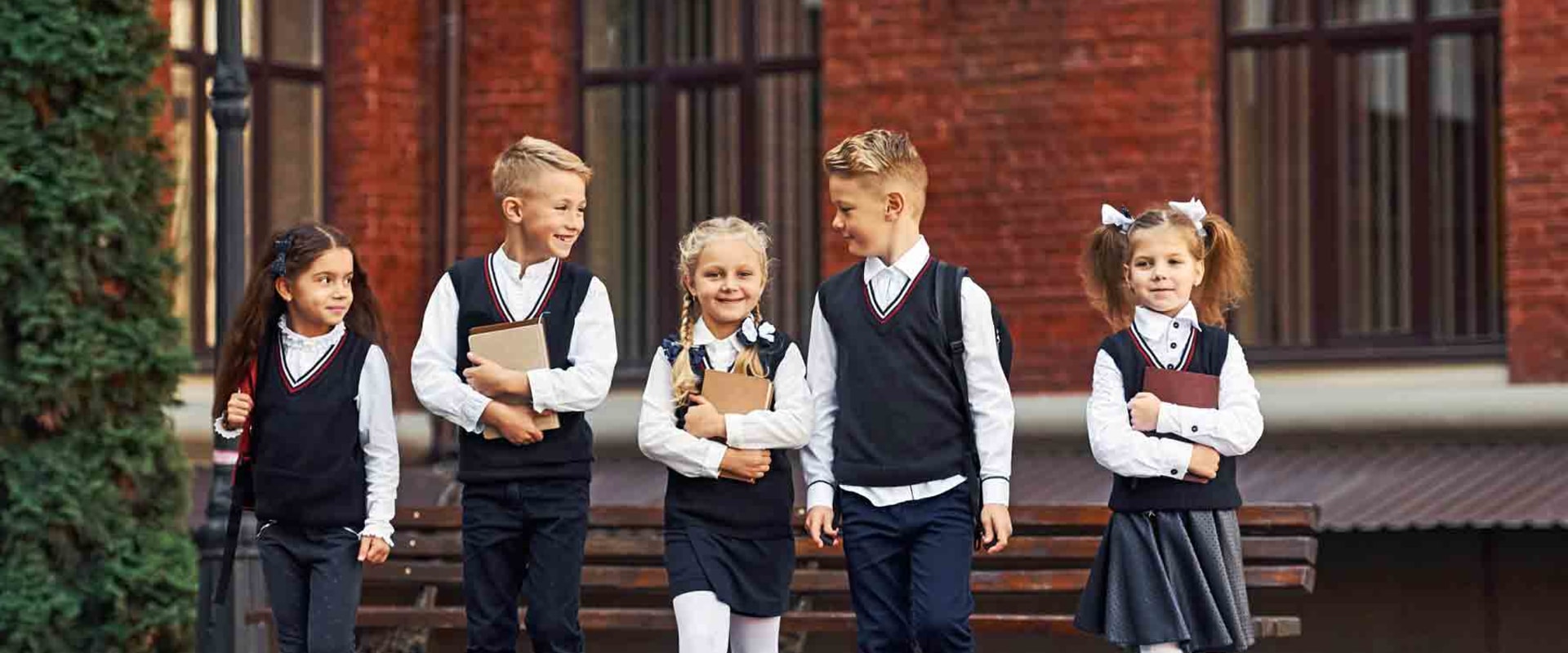
- Uniform Costs: Many private schools require specific uniforms that can add to overall expenses.
- Technology Fees: Charges for the use of school technology or personal devices.
What financial aid options are available?
Florida offers various financial aid programs to assist families in affording private education. Some of the most common options include:- Florida Tax Credit Scholarship: This program provides scholarships to low-income families to help cover tuition costs.
- Family Empowerment Scholarship: Designed for families with students with special needs or those from low-income households.
- Step Up For Students: A nonprofit organization that helps connect families with scholarship opportunities.
How do I apply for financial aid?
The application process for financial aid typically involves submitting documentation that verifies your family's income and financial situation. Each scholarship program has its own application process and deadlines, so it’s essential to check the specific requirements of the program you are interested in.Additionally, many private schools have their own financial aid applications that may require separate submissions.Understanding these aspects of private school costs can help parents make informed decisions about their child's education. By exploring all available options and resources, families can find a suitable educational environment that meets their needs without compromising their financial stability.
Conclusion: Making Informed Decisions About Private Education
As we conclude our exploration of the average cost of private school in Florida, it is essential to reflect on the various factors that influence both the financial commitment and the overall value of private education. Understanding these elements can empower parents to make informed decisions that align with their family's educational goals and financial situation.Throughout this article, we have highlighted that the cost of private schooling in Florida can vary significantly based on several key factors, including location, school type, and available financial aid options. For instance, urban areas may present higher tuition rates compared to rural settings, while specialized programs or religious affiliations can also impact pricing.Therefore, it is crucial for families to conduct thorough research on schools within their desired area.Moreover, the value of a private education extends beyond mere tuition fees. Parents should consider the quality of education, extracurricular opportunities, and the overall environment that a school provides. Many private institutions boast smaller class sizes, which can lead to more personalized attention for students and potentially better academic outcomes. Additionally, schools often offer unique programs that cater to diverse interests and talents, enriching the educational experience.Financial aid options, such as scholarships and sliding scale tuition, can also play a significant role in making private education more accessible.
Families should actively seek out these opportunities and engage with school administrators to understand what financial support may be available. This proactive approach can alleviate some of the financial burdens associated with private schooling.Ultimately, choosing a private school is not solely about the cost; it is about finding an institution that aligns with your child's needs and aspirations. By weighing both the financial implications and the potential benefits of a private education, parents can make choices that foster their child's growth and success.In summary, understanding the average costs associated with private schools in Florida is just one piece of the puzzle. By considering all aspects—financial aid options, educational quality, and personal fit—families can navigate this important decision with confidence.